
Well poisoning, blood libel and the forged Protocols: antisemitic myths explained
Why these stories are dangerous
For centuries, conspiracy stories falsely portrayed Jewish communities as secretly harming their neighbors. The claims about poisoned wells, ritual murder or consuming children, and a Jewish plan to control world affairs are historically false and are forms of antisemitic propaganda. Their importance lies not in factual credibility but in their power to justify exclusion, forced conversion, mob violence and genocide. A responsible account describes the accusations as fabrications from the start, then examines who circulated them and why people sometimes accepted them.
The medieval well-poisoning accusation
During the Black Death in the fourteenth century, fear and lack of medical knowledge encouraged desperate searches for scapegoats. Jews were accused of poisoning wells, even though the plague affected Jewish communities too and no such plot existed. Torture-generated confessions and rumors fueled massacres in European towns. The accusation exploited anxieties about disease and minority groups living alongside majorities. Historians study legal records and chronicle sources critically because documents produced under coercion are not reliable evidence of the alleged crimes.
Blood libel and the lie about children
The blood libel claimed, without evidence, that Jews murdered Christian children for religious purposes or used their blood in rituals. Jewish dietary law explicitly forbids consuming blood, and these accusations had no factual basis. The stories appeared in various medieval and modern European settings and often led to trials, public hatred or attacks. They also reveal how a minority can be imagined as uniquely threatening when the majority knows little about its practices. Repeating sensational allegations without a clear rebuttal risks spreading the very prejudice an article should expose.
The Protocols are a proven forgery
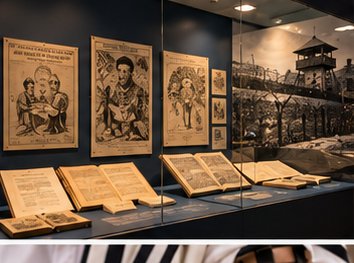
The Protocols of the Elders of Zion appeared in the Russian Empire in the early twentieth century and purported to reveal a secret Jewish conspiracy to rule the world. No such meetings or organization existed. Investigators exposed plagiarism from Maurice Joly’s nineteenth-century French political satire, which was not about Jews. Nazi propagandists nevertheless exploited the forged text, and versions remain in circulation online. The United States Holocaust Memorial Museum documents both the falsehood and the long history of attempts to make it appear genuine.
How to evaluate modern variants
Contemporary conspiracy content can replace medieval wells with vaccines, finance, media or global crises, yet the underlying mechanism is similar: it treats diverse individuals as one secret ethnic actor. Readers should check original documents, ask whether a source provides verifiable evidence and notice when an argument converts coincidence into collective guilt. Universities, Holocaust museums and scholarly libraries offer reliable explanations. Debunking these myths protects historical accuracy and the dignity and safety of Jewish communities and other groups targeted by prejudice.
Sources
October 2026