
Bar mitzvah and bat mitzvah: age, Torah and Jewish family traditions
The meaning of coming of age
Bar mitzvah means “son of the commandment” and bat mitzvah “daughter of the commandment.” In classical Jewish law, a boy normally reaches religious majority at thirteen, while a girl traditionally does so at twelve. In many liberal communities, girls and boys celebrate at thirteen. Religious responsibility begins because of age, not because a party took place. A young person who cannot organize a ceremony is still bar or bat mitzvah at the appropriate age. The celebration helps families recognize an important new stage of life.
Torah reading and preparation
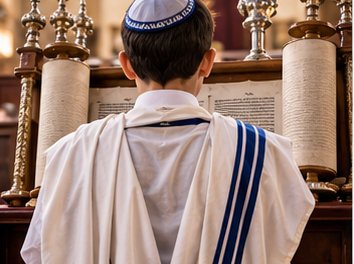
Many boys prepare for months to chant blessings or read from the weekly Torah portion in the synagogue. Depending on the congregation, girls may undertake comparable readings, lead parts of prayer or present a teaching. Lessons often include Hebrew, Jewish history and the meaning of specific commandments. The service may include an aliyah, the honor of approaching the Torah for a blessing. The exact order and participation vary widely between Orthodox, Conservative, Reform and other communities, so no single script represents everyone.
Family, guests and community
A celebration may begin with a synagogue service and continue with a meal attended by family and friends. Some families organize a large reception, while others prefer a modest gathering. Gifts, speeches, music and photographs are common in some places but are not the religious core of the occasion. Many communities encourage a social-responsibility project, sometimes called a mitzvah project, through which the young person helps others. Such activities connect personal achievement with the ethical responsibilities of Jewish adulthood.
History and differences of practice
The idea of reaching the age of obligation is ancient, but the elaborate synagogue and family ceremonies common today developed gradually. Bat mitzvah celebrations expanded markedly in the nineteenth and twentieth centuries as Jewish communities debated education and women’s participation in public ritual. Across Israel, North America and Europe, styles differ with local culture and religious orientation. Visitors should dress and behave according to the congregation’s guidance and should ask before taking photographs, especially on Shabbat.
More than a single celebration
At its best, a bar or bat mitzvah marks the start of continued Jewish learning rather than a graduation from it. Torah study, acts of kindness, community service and questions about faith can become part of a teenager’s next years. Adults who missed an earlier opportunity sometimes prepare for an adult bar or bat mitzvah, often through extended group study. This shows that the ceremonies are less about a single birthday than about belonging, responsibility and relationships across generations.
Sources
October 2026