
Operation Entebbe 1976 and Yonatan Netanyahu
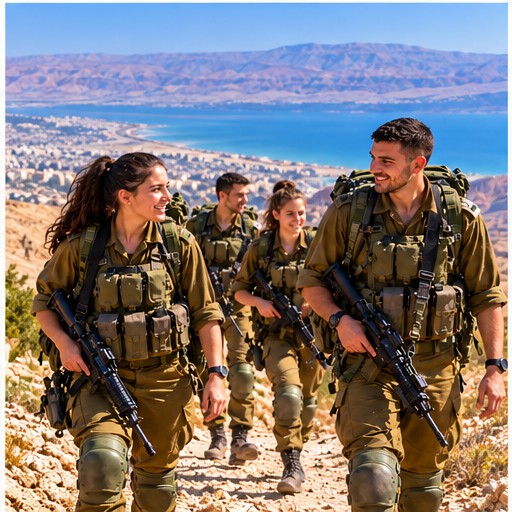
In July 1976 Israeli forces rescued hostages held at Entebbe Airport in Uganda after the hijacking of an Air France plane.
The hijacking and hostages
An Air France flight traveling from Israel to France was hijacked after a stop in Athens on 27 June 1976. The hijackers diverted the aircraft to Uganda, where the hostages were detained at Entebbe Airport. Many passengers were released, while Israeli and Jewish hostages remained under threat. The crisis created an urgent question for the Israeli government: whether a rescue attempt thousands of kilometers from home could succeed before the hijackers carried out their threats.
Planning the operation
Israeli intelligence and military planners collected details about the airport terminal, the guards and the hostages. The long distance meant that aircraft, fuel, navigation and surprise were critical. On the night of 3–4 July, Israeli transport aircraft flew to Uganda carrying commandos and support units. The operation required coordination among military leaders, pilots, medical teams and political decision makers. A successful landing did not guarantee that the captives could be freed safely.
The raid and its cost
The soldiers reached the old terminal and confronted the hijackers and Ugandan forces supporting them. Most surviving hostages were rescued and flown out. Several hostages were killed in the overall crisis, and an elderly hostage who had been taken to a hospital was later murdered in Uganda. Accounts differ in how they count the victims, so casualty totals must clearly say what is included. The mission became one of the most widely discussed rescue operations in modern military history.
Yonatan Netanyahu
Lieutenant Colonel Yonatan “Yoni” Netanyahu commanded the elite Sayeret Matkal force and was killed in the operation. He was the older brother of Benjamin Netanyahu, who became Israel’s prime minister years later. This family relationship is often mentioned in histories of the raid, but Yonatan should also be understood as a military officer with his own career and choices. Israel subsequently named the operation after him.
History and memory
Operation Entebbe is remembered in Israel as a symbol of rescue, long-range planning and national solidarity. It also prompts questions about intelligence, risk, hostage policy and the responsibilities of states toward their citizens abroad. Contemporary documents, including material from the Knesset and Israel’s defense archives, reveal how the operation was debated. Responsible history records the rescue without erasing the victims and risks involved.
Sources and further reading
https://www.nli.org.il/en/discover/israel/israeli-history/events-israeli-history/operation-entebbe