
Florentin in Tel Aviv: Street Art, Workshops and Fast Change
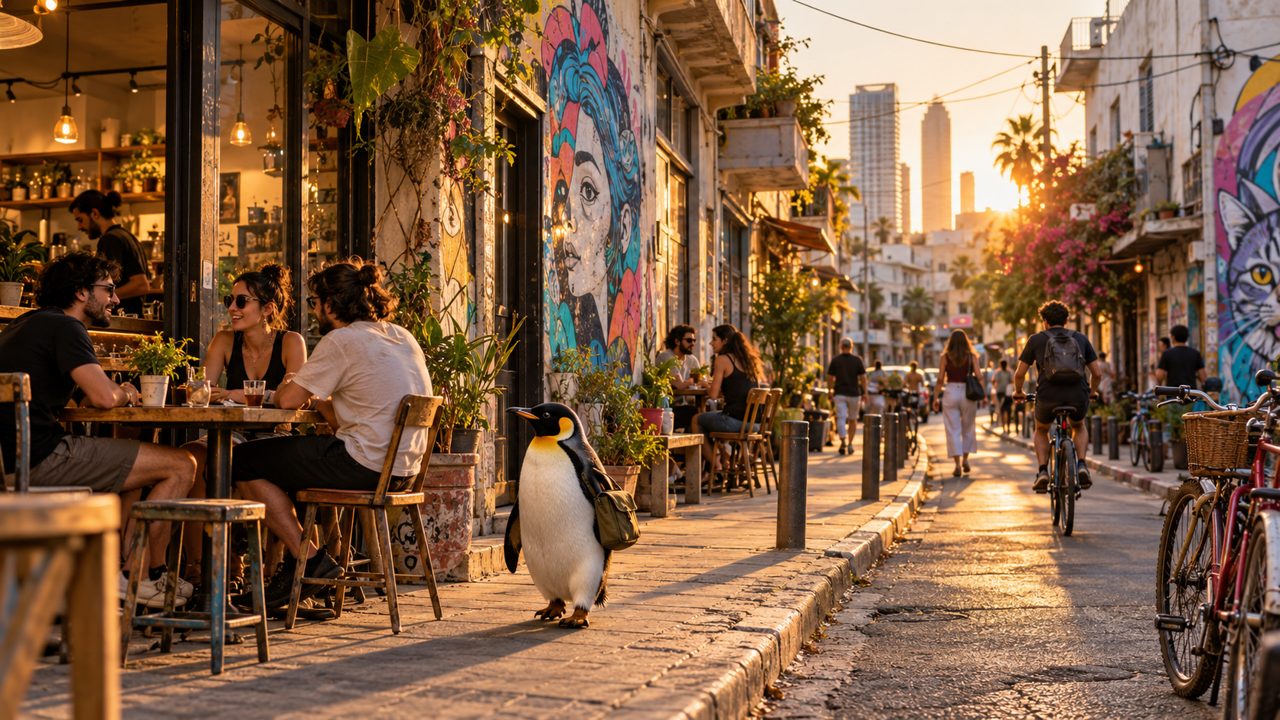
Florentin is one of the best-known neighborhoods in southern Tel Aviv. It is often described through murals, cafés and nightlife, but its story is much deeper: migration, workshops, warehouses, changing housing patterns and the social tension that comes with fast urban change. Looking at Florentin carefully means looking at both style and substance.
How the neighborhood began
Florentin developed in the south of Tel Aviv in the early twentieth century, in the wider urban area between Tel Aviv and Jaffa. Small workshops, wholesale trade, modest apartments and migrant networks shaped the neighborhood. For many years it was less associated with polished tourism than with repair shops, carpentry, textiles and everyday work.
Why Florentin became culturally visible
In later decades, artists, students and younger residents were drawn to the neighborhood because of relatively small spaces, mixed land use and a street atmosphere that felt different from more formal parts of the city. Cafés, bars, studios and independent businesses helped make Florentin a symbol of alternative urban culture in Tel Aviv.
Street art and public space
Visitors often notice walls covered with murals, paste-ups and tags. Some works are playful and colorful; others comment on politics, housing, identity or war. Street art in Florentin is not just decoration. It is part of an ongoing conversation about who belongs in the city, who is being priced out and how public space is used and remembered.
Workshops, residents and gentrification
The neighborhood still carries traces of workshops and light industry, yet real-estate pressure has changed the social balance. New apartments and rising rents can bring investment, but they can also displace long-time residents and small businesses. Florentin therefore stands at the intersection of creativity and inequality, where renewal and loss happen at the same time.
What to notice when walking there
A careful visit should pay attention not only to trendy cafés but also to older buildings, side streets, workshop fronts, bicycles, balconies and the rhythm of daily life. Florentin rewards slow observation. It is one of those places where architecture, youth culture, memory and commerce all share the same short blocks.
Why Florentin matters beyond tourism
Florentin matters because it reveals how Tel Aviv changes. It connects the city to Jaffa, shows the pressure of the housing market, and demonstrates how culture can both revive and commercialize a place. That is why the neighborhood appears again and again in discussions of urban identity in Israel.