
The Galilee: landscapes, religions and communities in northern Israel
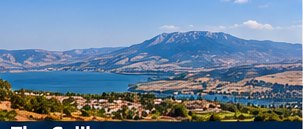
A northern region of varied landscapes
The Galilee is a region in northern Israel known for hills, valleys, villages, cities and religious landmarks. It is often divided into Upper and Lower Galilee, though administrative borders and historical definitions do not always match. The Upper Galilee has higher elevations and forests, while the Lower Galilee includes broad valleys and cultivated areas. Agriculture, tourism, services and light industry contribute to the local economy. The region’s beauty is real, but it is also an everyday home to communities with different languages, religious traditions and political concerns.
Jewish, Muslim, Christian and Druze connections
Jewish communities have historical ties to Galilean towns such as Safed and Tiberias, especially through rabbinic learning and Kabbalah. Nazareth is central to Christianity because of its association with the life of Jesus. Muslim, Druze and other communities have their own religious institutions, family histories and villages. A visitor can encounter multiple styles of worship within a relatively small area, but respectful travel requires distinguishing living communities from tourist attractions. Local residents should not be portrayed as museum exhibits.
History and archaeology
The region appears in ancient Jewish and Christian literature and contains archaeological sites from different periods, including Roman and Byzantine remains. Its routes connected the Mediterranean coast, inland highlands and areas east of the Jordan. Modern historical study combines texts with excavation, environmental evidence and settlement patterns. Legends about a particular mountain or village may be important to faith without being independently verifiable. Travelers benefit from understanding both the sacred stories and the archaeological uncertainties.
Nature and water
Galilean landscapes include fertile agricultural land, seasonal streams and habitats sensitive to climate and land use. The Sea of Galilee, also called Lake Kinneret, is a freshwater lake crucial to the area’s ecology and history. Tourism, urban expansion and changes in rainfall affect water management and conservation. Outdoor activities range from walking trails to lake visits, but access and safety conditions can change during periods of fire risk, severe weather or security restrictions.
Travel with context
Safed, Tiberias, Nazareth, Akko and small villages all provide different windows onto the north. Some lie within the geographic Galilee; others are nearby coastal or valley centers linked by transport and commerce. Road distances can seem short but travel times vary on winding routes. An informative guide should describe local food, crafts and viewpoints while also explaining that the Galilee is a shared region shaped by Jewish, Arab, Druze and Christian histories. Visitors should check current access information and respect private and religious spaces.
Sources
October 2026