
Golda Meir: the life, leadership and legacy of Israel’s prime minister
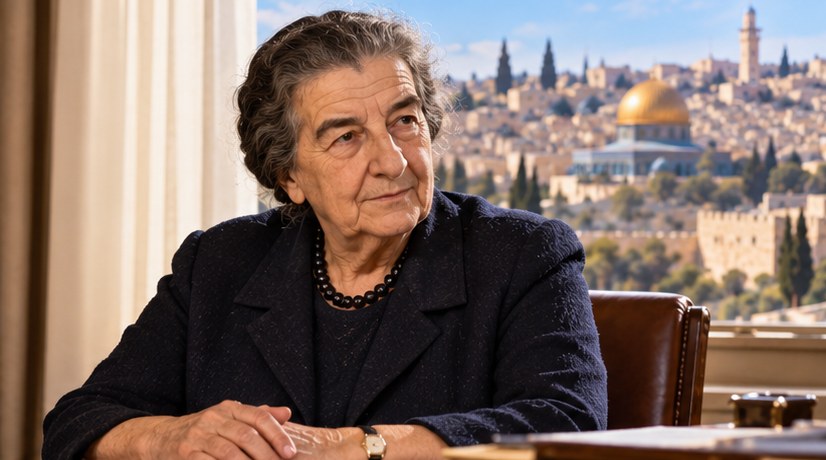
Golda Meir from childhood in Kyiv and Milwaukee to Zionism, diplomacy, Israel’s premiership and the 1973 war.
A life spanning continents
Golda Meir was born Golda Mabovitch in Kyiv in 1898, lived as a child in the Russian Empire, migrated with her family to the United States, and grew up in Milwaukee. Her childhood combined experiences of antisemitism with the energy of immigrant politics and education. Long before becoming a public figure, she was drawn to labor Zionism and to the idea that Jews should organize their own political and social future. Her journey from American classrooms and meetings to the highest office in Jerusalem is one of the best-known biographies in Israel.
From Milwaukee to the Yishuv
In 1921, Golda and her husband Morris Meyerson immigrated to Mandatory Palestine. They spent time in Kibbutz Merhavia, an environment of collective work, agriculture and debates over social equality. Golda later moved into labor institutions and trade-union activity. She was active in the Histadrut and other parts of the emerging Jewish self-government. Her practical temperament mattered: organizing workers, finding money, mediating conflicts and explaining difficult choices became skills that shaped her later diplomatic career.
Diplomacy and the birth of Israel
Meir was deeply involved in the political work leading to statehood in 1948. She raised funds abroad, carried messages and became one of the signatories of the Declaration of Independence. After independence she served as Israel’s first diplomatic representative in the Soviet Union and later held major ministerial offices, including labor and foreign affairs. Her career unfolded within the dominant labor movement, but it also brought her into contact with powerful leaders and complicated international negotiations at a time when the young state was economically and militarily vulnerable.
Prime minister from 1969
After the death of Levi Eshkol, Golda Meir became prime minister in 1969 and served until 1974, making her Israel’s first and, for decades, only woman to hold the post. Her image combined warmth, stubbornness, blunt speech and an ability to work through lengthy meetings. As a woman leading a country often organized around male military heroes, she became an international symbol. Yet reducing her to a feminist icon would miss the detail of her policies, her party tradition and the political constraints within which she governed.
The Yom Kippur War and scrutiny
The greatest crisis of her premiership came in October 1973, when Egypt and Syria launched a coordinated surprise attack on Yom Kippur. Israeli losses and the failure to anticipate the attack produced profound public anger. Meir remained a central decision-maker during the war, but afterward the government faced bitter questions about intelligence assessments, military readiness and political responsibility. She resigned in 1974. Historians still debate the balance between her personal decisions, institutional failures and the strategic situation facing the state.
Remembering a complicated figure
Golda Meir died in 1978. She is remembered as a pioneering female head of government, a tough negotiator and a representative of Israel’s founding generation. She is also criticized for some of her public statements and for political choices regarding Palestinians and regional diplomacy. A useful biography does not have to turn her into either a saint or a villain. It can show how conviction, personal history, unusual political talent and serious limitations all existed within one of the most consequential Israeli leaders.