
The Knesset and Israeli democracy: how the political system works
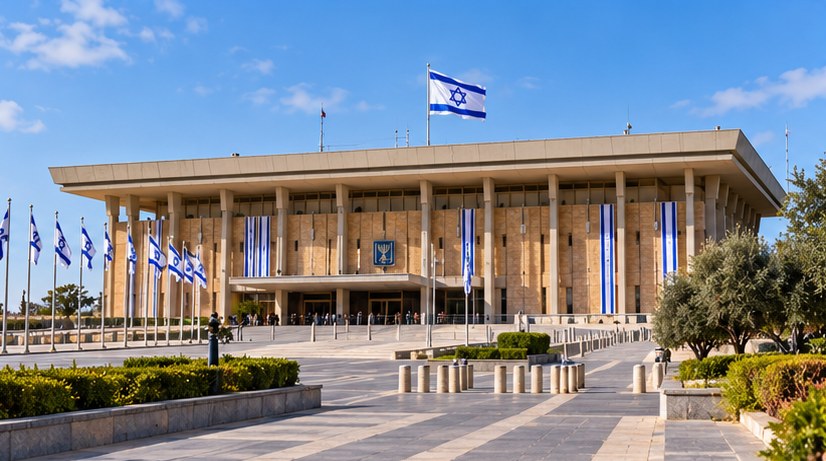
A detailed guide to Israel’s 120-seat parliament, elections, coalition governments, Basic Laws, courts and current democratic debates.
A parliamentary republic
Israel is a parliamentary democracy with a single national legislature called the Knesset. The Knesset meets in Jerusalem and consists of 120 members, a number that echoes the ancient Great Assembly in Jewish tradition. Citizens aged eighteen and older generally have the right to vote. Unlike presidential systems, Israeli voters choose parties and their candidates rather than directly electing a head of government. The parliamentary majority is then central to forming and sustaining a government.
Voting and proportional representation
National elections use proportional representation in a single countrywide constituency. Voters choose a party list; seats are allocated to lists that meet the legal threshold. This creates possibilities for small parties to represent distinctive constituencies, including religious, secular, Jewish and Arab political movements. It also means that one party rarely wins an outright majority. Coalition negotiations can therefore be as politically important as voting day, shaping ministerial appointments, budgets and the practical program of government.
Coalitions and executive power
After elections, the president holds consultations and selects a member of Knesset to try to form a government. A coalition must command sufficient parliamentary backing to pass confidence votes and legislation. The prime minister leads the executive alongside cabinet ministers. In a multiparty parliament, coalition agreements can give relatively small parties significant leverage. Supporters see this as representation of a diverse society; critics see it as a source of unstable governments and bargaining by narrow interests.
Basic Laws and judicial review
Israel does not have one consolidated constitutional document. Instead, a series of Basic Laws structure major institutions and some protected rights. Courts, including the Supreme Court sitting as High Court of Justice, have played an important role in reviewing government actions. Disagreements over the scope of judicial review, the appointment of judges and the relationship between elected officials and courts have become defining controversies. They involve competing understandings of majority rule, checks and balances, legal continuity and protection of minorities.
Media, protest and minority voices
Democracy operates beyond Parliament. Independent journalism, civil society, trade unions, universities, local authorities and public demonstrations all shape politics. Arab citizens of Israel have voting rights and elect representatives, while social disparities and issues of national identity remain contested. Religious and secular communities disagree on public policy and the role of Jewish law. Elections alone do not answer every question about democratic quality; institutions also depend on trust, accountability and effective remedies against misuse of power.
Strengths and persistent tensions
The Knesset holds public debates, passes laws and scrutinizes the executive. Yet Israeli politics must also manage security emergencies, fast population growth, deep social divisions and recurring disputes over constitutional arrangements. The system’s resilience is visible in competitive elections and vigorous disagreement, while its vulnerabilities appear when coalition loyalty overwhelms oversight or citizens lose confidence in institutions. Understanding Israeli democracy requires following both formal rules and how they operate amid real political pressure.