
Jerusalem, Shabbat and the Basimta café debate
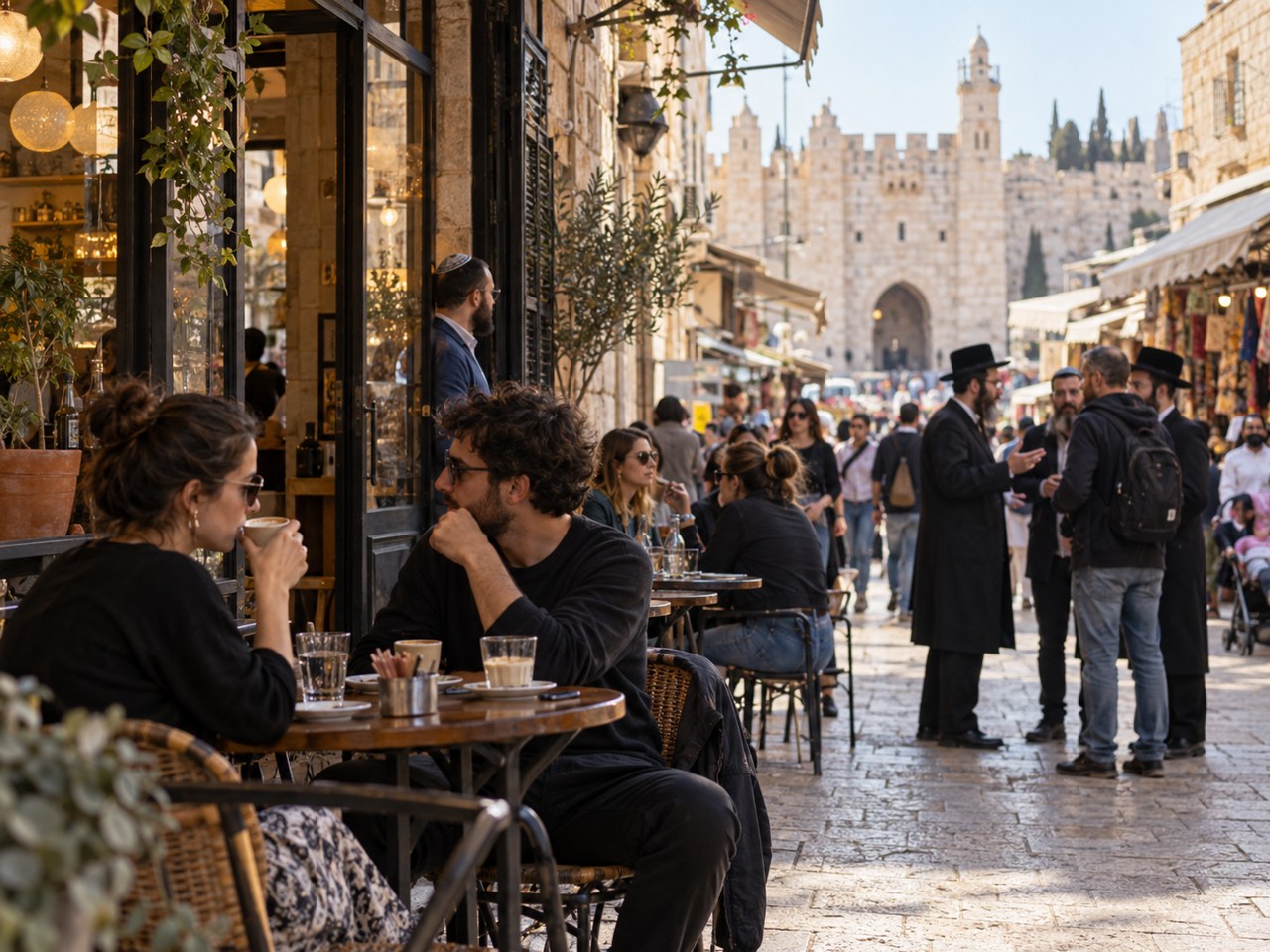
In the summer of 2026, Café Basimta in central Jerusalem became much more than a small business. A local dispute about whether a café should open on Shabbat quickly turned into a citywide and then national argument about religion, urban freedom and the public character of the capital.
Why this café became a symbol
Jerusalem contains very different communities living close to one another: ultra-Orthodox neighborhoods, secular residents, religious-Zionist families, students, tourists and mixed commercial areas. Because Basimta stood near sensitive urban boundaries, its opening hours became a symbol of a larger struggle over space, identity and coexistence.
Israeli reports described repeated Haredi protests outside the café during Shabbat, while secular supporters argued that a private café in a mixed city-center area should not be forced to close. The issue therefore moved beyond one storefront and became a debate about coercion, tolerance and the right to shape everyday life in Jerusalem.
A local story with national resonance
The affair showed how quickly local stories in Israel can become national arguments. Supporters of the café saw it as a test of civic freedom in a diverse city. Opponents saw it as part of a gradual erosion of the Jewish public character of Jerusalem. In the end, the owners announced that the café would no longer open on Shabbat, but that decision did not end the argument.
For some residents, the result proved that pressure works. For others, it showed how difficult it is for a small business to survive in a permanent confrontation. Either way, the Basimta story entered Jerusalem’s political memory because it compressed many of the city’s deepest tensions into one very visible place.
A dispute with a broader civic context
Arguments over opening a café on Shabbat are shaped by where the business is located, the character of its neighborhood and the needs of its staff and customers. Jerusalem has communities with very different expectations about public rest, commerce, transport and religious observance. The Basimta dispute attracted unusual attention because it made these differences visible in a shared street. Reporting should distinguish the religious arguments of demonstrators, the rights asserted by supporters of the café and the owners’ own decisions. A business closing on Shabbat after sustained controversy may be described politically by both sides, but the underlying local facts should remain separate from broader claims about what all Jerusalem residents want. The episode illustrates how everyday places can become focal points in debates over religion and the public sphere.