
Operation Entebbe in 1976 and the death of Yoni Netanyahu
The hijacking of an Air France flight
On 27 June 1976, an Air France flight traveling from Tel Aviv to Paris was hijacked after a stop in Athens. The hijackers forced the aircraft to fly to Uganda, where passengers were held at Entebbe airport under the regime of Idi Amin. A number of passengers were released, but Israeli and Jewish hostages remained under threat. The hijackers demanded the release of imprisoned militants. Negotiations unfolded while Israeli military planners considered an exceptionally long-range rescue mission.
The night operation
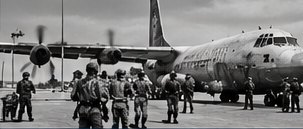
During the night of 3–4 July, Israeli transport aircraft flew thousands of kilometers to Uganda carrying special forces, paratroopers and other personnel. The rescue force approached the old terminal at Entebbe and attacked the hostage area. Israeli commanders had prepared detailed intelligence and a plan for evacuating the captives rapidly, with a limited time window before Ugandan forces could react. Most hostages were rescued and flown back to Israel. The operation became famous for its daring, but it was neither bloodless nor risk-free.
Yonatan Netanyahu and the casualties
Lieutenant Colonel Yonatan “Yoni” Netanyahu, the commander of the Sayeret Matkal element, was killed during the operation. He was the older brother of Benjamin Netanyahu, who would later become Israel’s prime minister. This distinction matters: Benjamin Netanyahu did not die at Entebbe. Three hostages were killed during the raid, and a fourth, Dora Bloch, who had earlier been taken to hospital, was later murdered. Other people were injured, and Ugandan soldiers and the hijackers were also killed.
International reaction and memory
Many people praised the rescue as a dramatic action to save civilians from terrorists. It also prompted discussion of sovereignty, the use of force on another country’s territory and the conditions that could justify extraordinary military intervention. Within Israel, the operation became part of national memory and later acquired the name Operation Yonatan in honor of the fallen commander. Its story has appeared in films, memorial ceremonies and military histories, sometimes with different dramatic emphases.
Sources and accurate storytelling
For a careful account, the Israeli National Library and the Knesset’s historical records provide useful starting points, together with reports by survivors and historians. Exact hostage totals can vary according to when a count was taken, including releases before the raid. A good article therefore distinguishes those originally hijacked, those held at Entebbe on the final night and those successfully rescued. The event is both a military operation and a story about civilian lives placed in extreme danger.
Sources
October 2026