
The 2015 Hyper Cacher attack on Jewish shoppers in Paris
An attack before the Sabbath
On Friday, 9 January 2015, a gunman attacked the Hyper Cacher kosher supermarket near Porte de Vincennes in Paris. Families and customers were buying food before the Jewish Sabbath. Four Jewish men were murdered: Yohan Cohen, Yoav Hattab, Philippe Braham and François-Michel Saada. Other customers and workers were held hostage. French police ended the siege by storming the building, and the attacker, Amedy Coulibaly, was killed. The event is remembered as a deliberately antisemitic crime against ordinary people doing their shopping.
The context in France
The hostage-taking unfolded during several days of terrorist attacks in January 2015. Two days earlier, gunmen had murdered staff at the Charlie Hebdo newspaper, and a policewoman was killed the following day. The attackers claimed affiliations with extremist organizations, though the precise links were matters for criminal investigation. It is essential not to confuse the different attacks: the kosher market victims were targeted in their capacity as Jews, not because of any editorial work or political activity.
The victims and the survivors
The four victims had individual lives and families, and memorial accounts should name them rather than reducing them to a number. Survivors described hiding, fear and the efforts of people who helped others reach safety. Their accounts also demonstrate why a terrorist attack affects far more people than those physically wounded: children, relatives, employees and an entire community can struggle with its consequences for years. France increased protection around Jewish institutions, while religious leaders and civil society organized vigils and public solidarity.
Remembrance and public responsibility
The Paris attack renewed debate about antisemitism, the protection of synagogues and schools, and the right to practice a religion safely. Some French Jews considered emigration; others emphasized that Jewish life is an inseparable part of French life. The four men were buried in Jerusalem, where public mourning brought Israeli and French experiences together. Historical reporting must distinguish confirmed events from rumors, and it should condemn both the perpetrators and attempts to blame entire religious or immigrant populations for their crimes.
Reading the event responsibly
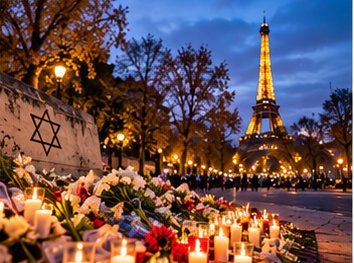
Reliable reference points include survivor testimony, judicial findings, contemporary reporting and statements by religious-freedom institutions. Pictures of the supermarket and memorial gatherings can help readers understand the setting, but they should not turn victims into illustrations of a political argument. In a long-term account of Jewish France, Hyper Cacher belongs alongside the history of migration, cultural creativity, synagogue life and the continuing efforts to combat hatred while safeguarding civil liberties.
Sources
October 2026