
Europe, settlement products and boycott campaigns: what the debate is about
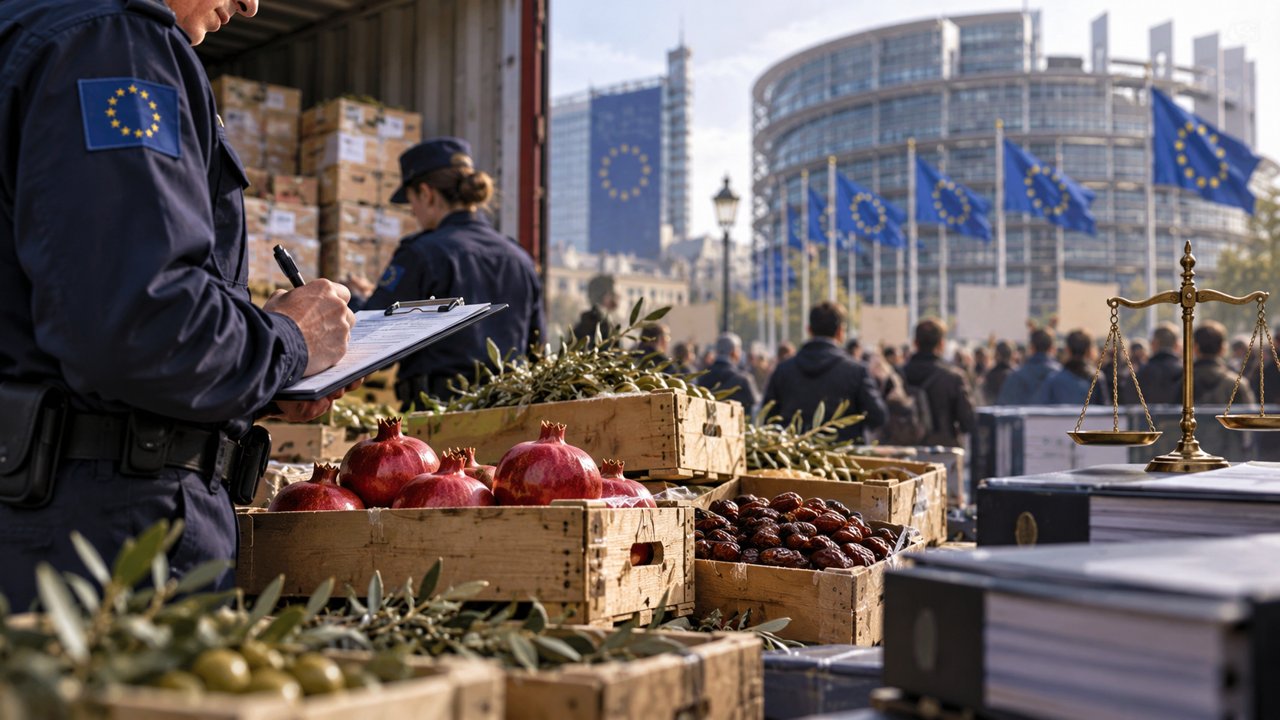
A long background article on European debates over products from Israeli settlements, labeling rules, sanctions and the difference between settlement-targeted measures and broader anti-Israel boycott campaigns.
Not every boycott is the same
Debates in Europe about Israeli settlements often become confusing because several different issues are mixed together. One level concerns broad boycott campaigns against Israel as a whole. Another concerns measures aimed specifically at products or entities connected to settlements in territories occupied since 1967. Still another concerns sanctions against individuals or groups linked to violence in the West Bank. Treating these as identical obscures the legal and political distinctions that European institutions themselves make.
EU labeling and trade distinctions
A key legal milestone was the European Commission’s 2015 interpretative notice on the indication of origin of goods from territories occupied by Israel since June 1967. The practical point was that goods from those territories should not simply be labeled as products of Israel. In 2019, the Court of Justice of the European Union confirmed that foodstuffs originating in such territories require an indication of provenance that can include the fact that they come from an Israeli settlement. At the same time, the Commission stated in 2024 that it was not planning a general EU ban on settlement products entering the single market.
The 2026 turn toward sanctions
Alongside trade and labeling debates, 2026 saw additional European action focused on violent extremist settler activity. The Council of the European Union announced restrictive measures against several entities and individuals under its human-rights sanctions regime. This did not amount to a blanket boycott of Israel. Rather, it reflected a targeted response to specific organizations and people linked, in the EU’s description, to serious abuses in the West Bank.
Why the issue remains contested
For supporters of these European steps, distinguishing settlement activity from sovereign Israeli territory is a matter of international law and consumer transparency. Critics in Israel and among pro-Israel groups often argue that such measures feed wider delegitimization campaigns, ignore security realities or apply double standards. The subject therefore sits at the intersection of law, diplomacy, commerce and public opinion. Anyone trying to understand it should read both the legal texts and the political arguments around them.
Selected links and institutions
- EU interpretative notice on origin indication (2015)
- European Commission answer on settlement products (2024)
- EEAS – Joint statement on the situation in the West Bank
- Council of the EU – sanctions on extremist settlers (2026)
Note
This article is intended as background. Legal debates and EU policies evolve, and terminology differs sharply across institutions and advocacy groups.