Be’er Sheva: A City at the Edge of the Desert
More than a stop on the way south
Be’er Sheva is a major urban centre of the Negev. Its university, medical services, neighbourhoods and cultural institutions make it a working city as well as a point of departure for desert journeys. A visit is most rewarding when it includes both the older town and the modern city. The relationship between settlement, water and movement across an arid landscape gives the region a distinctive historical setting.
The old town and a newer city
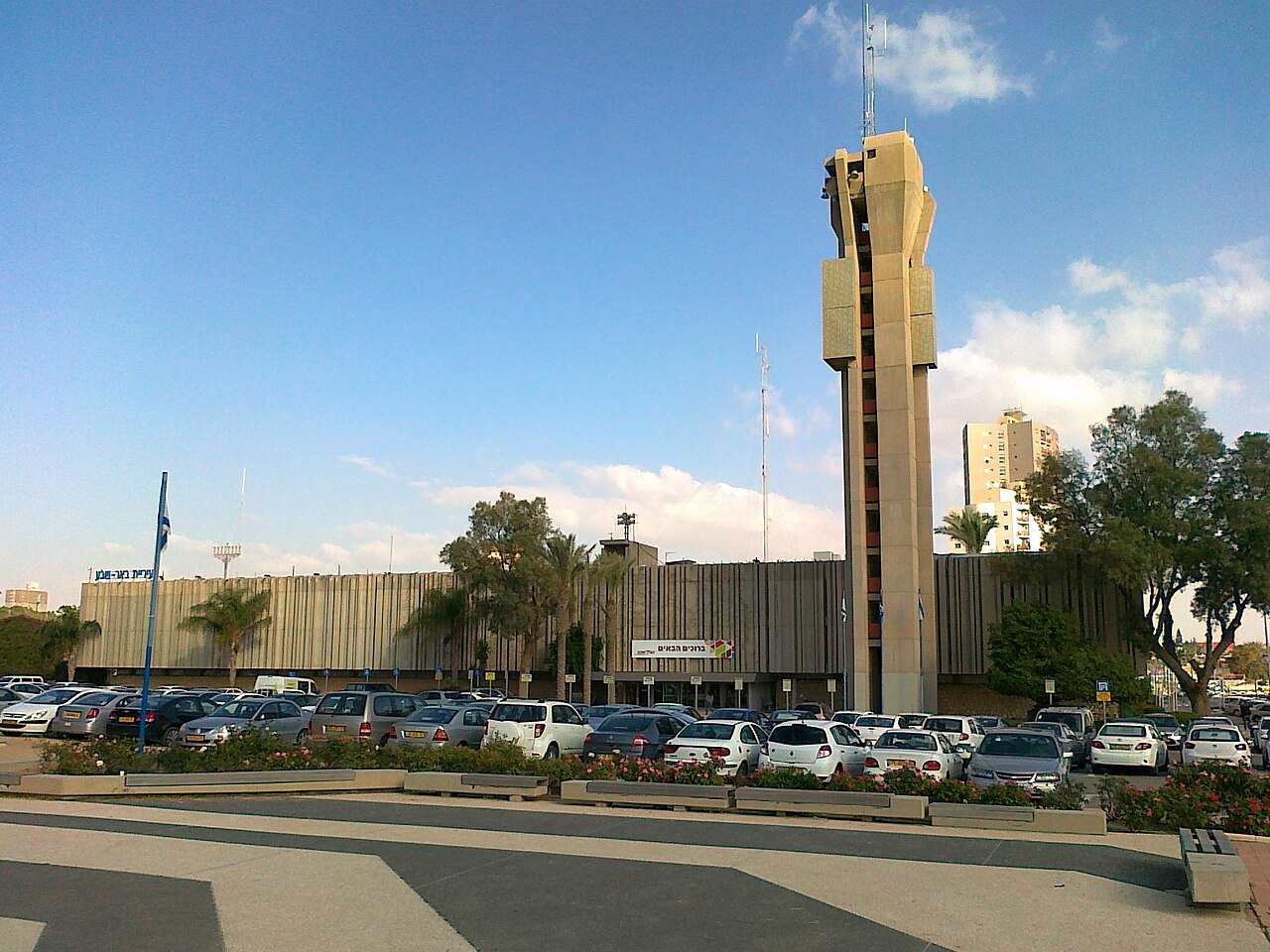
The old town reflects the development of an administrative centre in the late Ottoman period. Broad streets, public buildings and later additions tell a story different from the tightly packed medieval quarters of Jerusalem or Akko. Museums and cultural spaces can help interpret that history. Modern Be’er Sheva adds university life and expanding residential districts, reminding visitors that the city is not simply an archaeological destination.
Tel Be’er Sheva
The archaeological site of Tel Be’er Sheva lies outside the modern centre. It preserves remains of an ancient settlement and is part of the UNESCO-listed Biblical Tels property. Its urban layout and water system make the organisation of life in this landscape easier to understand. Keep the ancient site distinct from the Ottoman old town: they are different places and require separate travel planning. Consult the Nature and Parks Authority for entry and current conditions.
A practical day in the Negev
A balanced visit could combine the archaeological park with time in the modern city, allowing for transport and a meal. In hot weather, exposed outdoor sites are demanding, so schedule realistically and make room for indoor activities. Distances in the Negev can be deceptive on a map. A trip towards another desert attraction should be planned as a separate journey rather than a casual extension of a city walk.
Local context
The wider region includes Jewish and Bedouin communities, with varied histories and relationships to land and urban development. Avoid reducing the Negev to an empty desert. Reading about its inhabitants adds depth to the scenery. The municipal website and the national park’s official page provide practical starting points; Wikipedia offers a broader outline and references for further research.