The Dead Sea: Salt, Desert and a Changing Shoreline
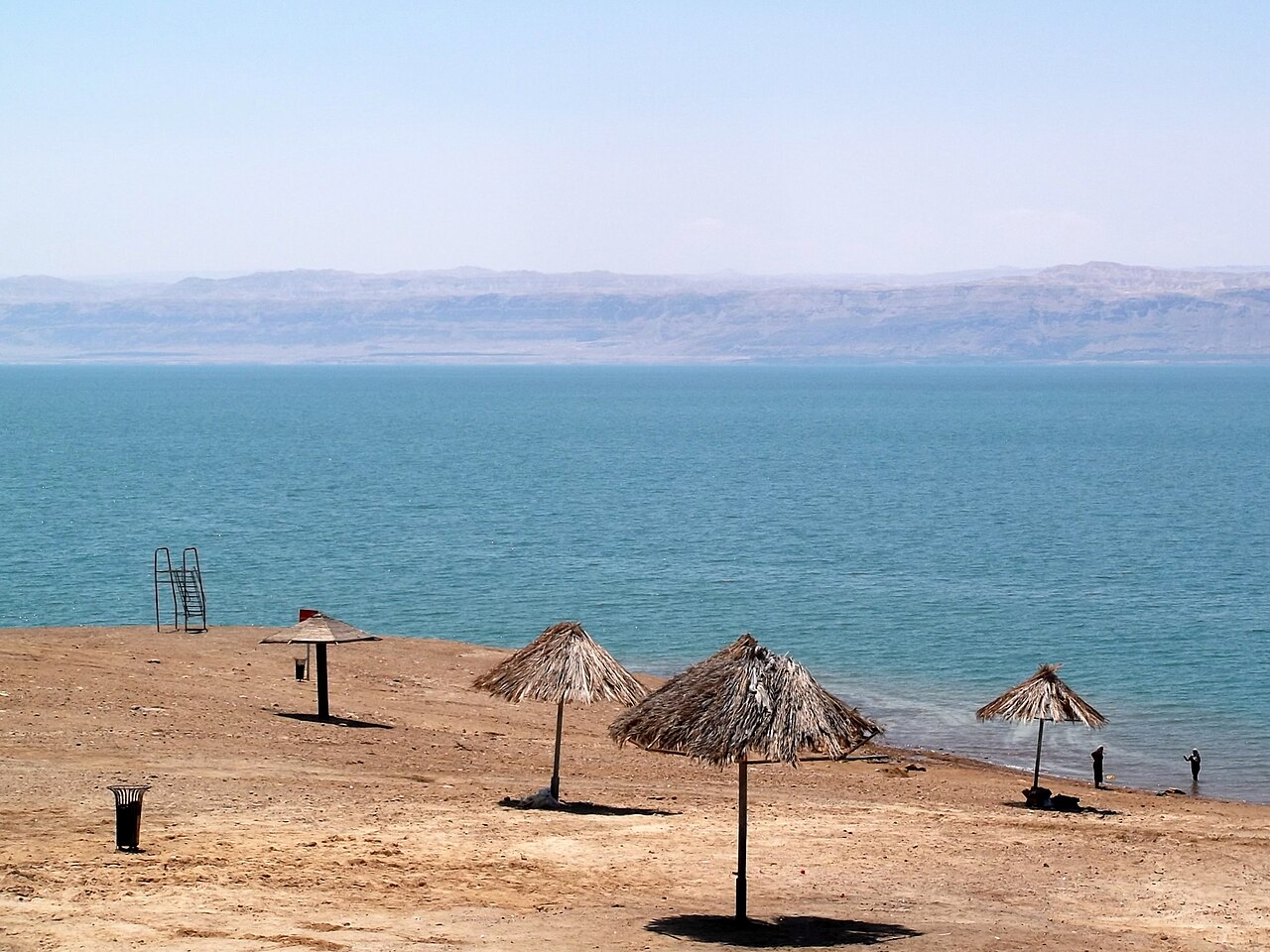
An unusual landscape
The Dead Sea is a hypersaline lake in the Jordan Rift Valley. Pale desert slopes, intensely coloured water and salt formations give the region its distinctive appearance. It is shared by a wider geographical and political landscape involving Israel, Jordan and the West Bank. A visit can combine a designated beach with archaeology or a nature reserve, but each location has its own access arrangements and practical demands.
Floating is not ordinary swimming
The high salt concentration changes the experience of entering the water. Follow the instructions at a managed bathing site, keep water away from the eyes and mouth, and avoid diving. Do not assume that buoyancy removes the risk of drowning or other injury. Freshwater showers and staff guidance are useful reasons to choose an organised beach rather than an improvised approach to the shoreline.
A coastline that keeps changing
The lake’s falling water level has altered the landscape and contributed to sinkhole hazards along parts of the shore. An old path or photograph may no longer describe a usable route. Stay within authorised areas and respect barriers. The main northern lake and the southern evaporation basins also differ; a hotel beach near Ein Bokek should not be imagined as an unchanged fragment of every other part of the shore.
Desert, springs and history
Masada and Ein Gedi are distinct destinations that can be associated with a Dead Sea trip. One offers a major archaeological landscape; the other protects an oasis environment with its own ecological limits. Both require separate planning, and conditions can change. Consult the Nature and Parks Authority for reservations, trail access and weather-related notices. A hot afternoon is not the right moment to improvise a demanding desert walk.
A realistic visit
Leave room for travel, shade and rest. The appeal of the region is often the contrast between water, desert and silence, not the number of sites visited. Avoid treating spa advertising as medical evidence. The regional tourism site is useful for accommodation and visitor information, while Wikipedia and the official park pages provide background on the lake and nearby sites.