Jerusalem: Layers of History and Everyday Life
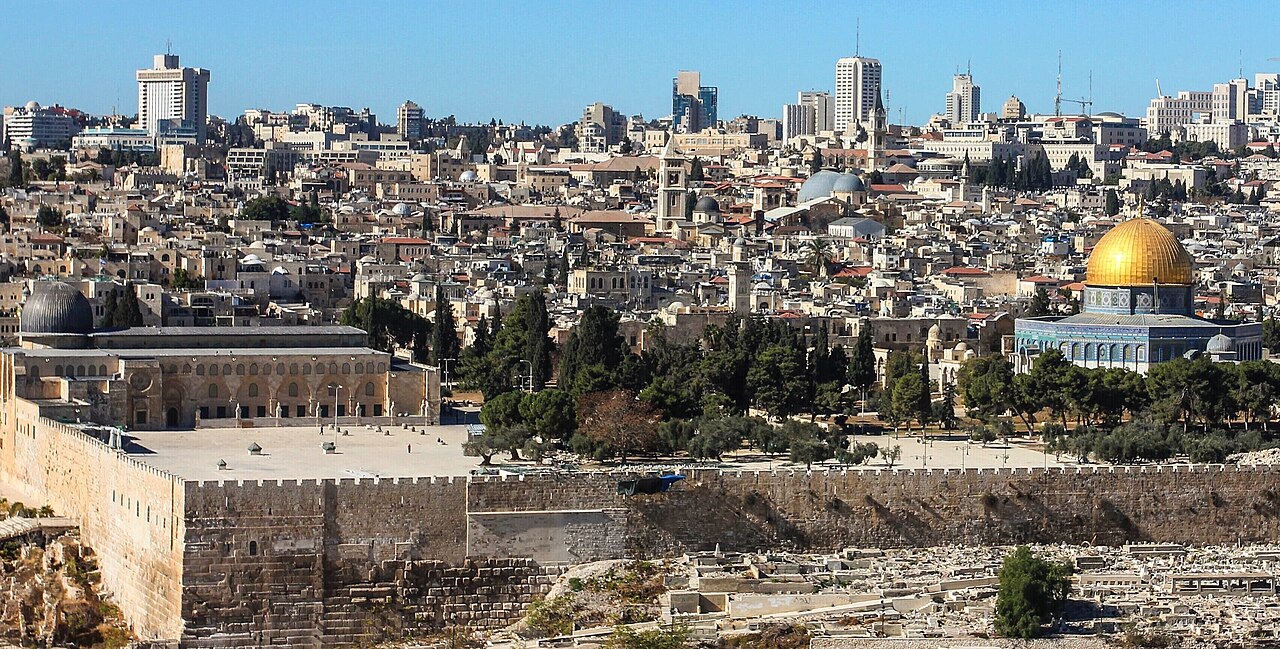
A city best explored slowly
Jerusalem rewards time and attention. A short walk can move between a busy market, a quiet courtyard, a place of prayer and an archaeological site. Its importance to Judaism, Christianity and Islam is inseparable from the lives of the people who live here. Plan a visit around a few neighbourhoods rather than treating the entire city as a checklist. The differences in language, architecture, food and daily rhythm are part of what makes the city distinctive.
The Old City and its sacred places
The walled Old City contains Jewish, Christian, Muslim and Armenian quarters. The Western Wall, the Church of the Holy Sepulchre and the Haram al-Sharif/Temple Mount are central to different religious traditions. They are also places of active worship. Visitor access, entrances and rules differ, so consult the responsible authorities before arriving. Dress respectfully, ask before photographing people and allow worshippers space. A local guide can help explain the many historical layers without presenting one community’s experience as the whole story.
Beyond the walls
The Tower of David Museum offers a useful introduction to Jerusalem’s long history. Outside the Old City, the Israel Museum connects archaeology, Jewish art and international collections. Mahane Yehuda is a different kind of encounter: a working market where shopping, bakeries and cafés share crowded streets. Consider walking through nearby neighbourhoods as well as the market itself. Their buildings and public spaces reveal the development of the city beyond its earlier walls.
A visit with breathing room
One possible day combines a morning in the Old City, lunch and an afternoon museum visit. Another focuses on western neighbourhoods, markets and contemporary cultural life. These are alternatives, not a demand to fit everything into one day. Jerusalem’s hills, stairs and stone surfaces can be tiring, and accessible routes need advance planning. Friday, Saturday and religious holidays change the rhythm of shops, public transport and holy sites.
Understanding the setting
Jerusalem is also a city of contested political histories. East Jerusalem was occupied by Israel in 1967; its status remains disputed internationally. Learning about Jewish and Palestinian experiences can make a visit more informed. Use the official city visitor portal for practical information and Wikipedia’s references as a starting point for further historical reading. Neither an attractive photograph nor an older guide establishes current access or security conditions.