Safed: Synagogues, Artists and Galilee Views
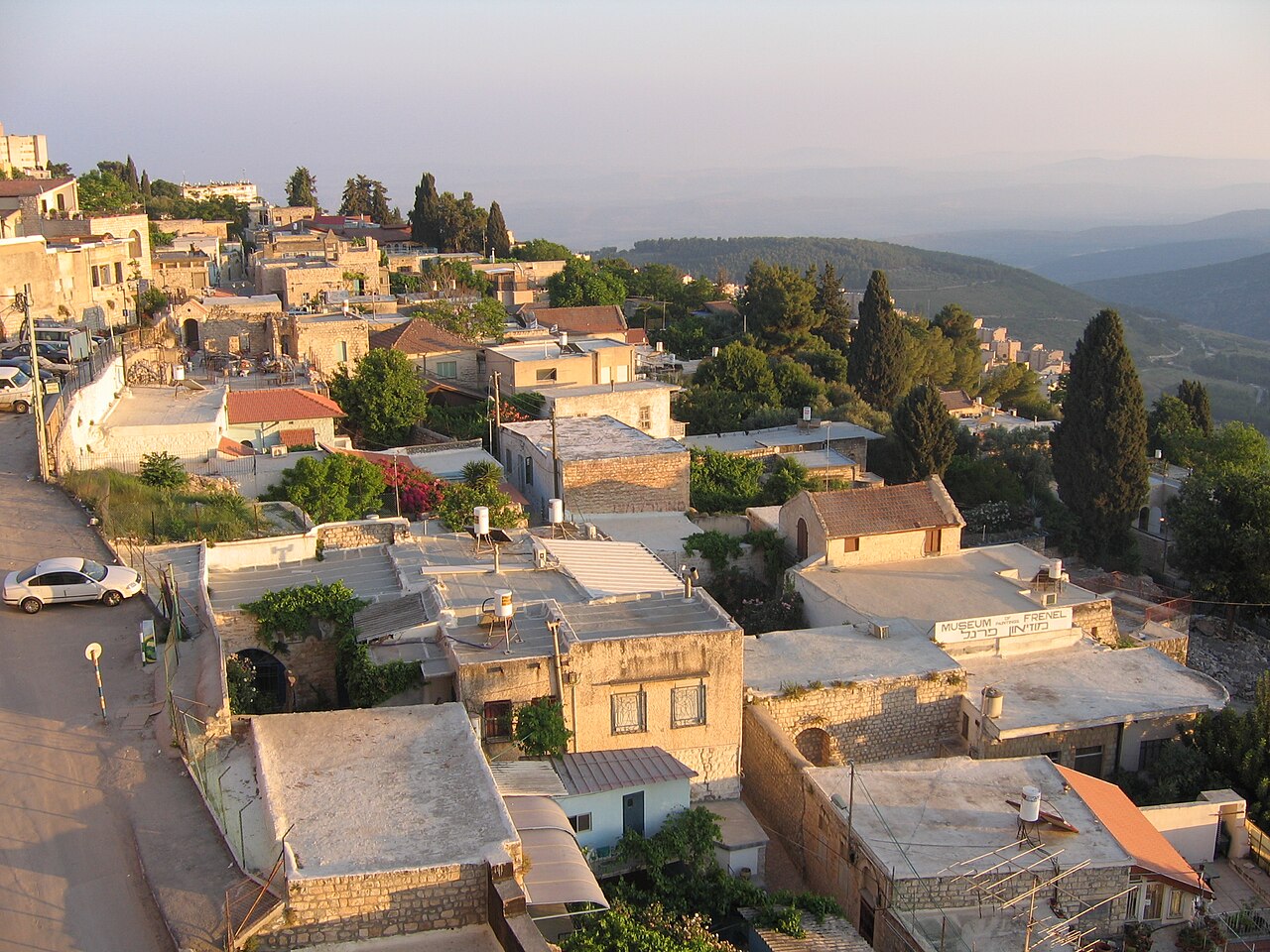
A hilltop city with a distinct atmosphere
Safed, also written Tzfat or Tsfat, stands in the hills of the Upper Galilee. Its older streets connect stone houses, small courtyards, synagogues and artists’ workshops. The city invites a slower kind of sightseeing: looking into a gallery, pausing at a viewpoint and following an alley without rushing to the next attraction. Its elevation and changing light give it a character quite different from the Mediterranean coast.
A centre of Jewish learning
Safed became especially influential in Jewish religious life in the sixteenth century. Scholars and mystics associated with the city include Joseph Karo and Isaac Luria. Historic synagogues preserve the memory of these communities, although buildings have been repaired and rebuilt over time. They remain places of prayer, so visiting should be fitted around religious activity. Distinguish documented history from stories and traditions told about particular sites.
Art and the old streets
The artists’ quarter adds another layer to the city. Galleries and workshops offer opportunities to encounter contemporary work as well as traditional religious imagery. The interest is not only in buying an object: speaking with a maker can explain materials, techniques and the place of art in local life. Stone steps and narrow lanes make wandering enjoyable, but they also mean that accessibility should be considered before choosing a route.
Views and a balanced itinerary
A morning in the older neighbourhoods can be followed by a relaxed meal and a viewpoint. Safed also provides a different perspective on the wider Galilee, but journeys to other towns take time on winding roads. Combining every nearby attraction into a single day can leave little time for the city itself. In cooler months, the hilltop climate can feel very different from the lake or coast.
Practical information
Opening times vary between galleries, synagogues and small businesses. Religious holidays and Shabbat affect the atmosphere and available services. Consult the municipal tourism pages and the national visitor guide before setting out. For a deeper understanding of Safed’s intellectual history, read beyond a single anecdote and compare historical sources with the living traditions of the communities who preserve them.