Tel Aviv–Jaffa: Beaches, Neighbourhoods and Urban Culture
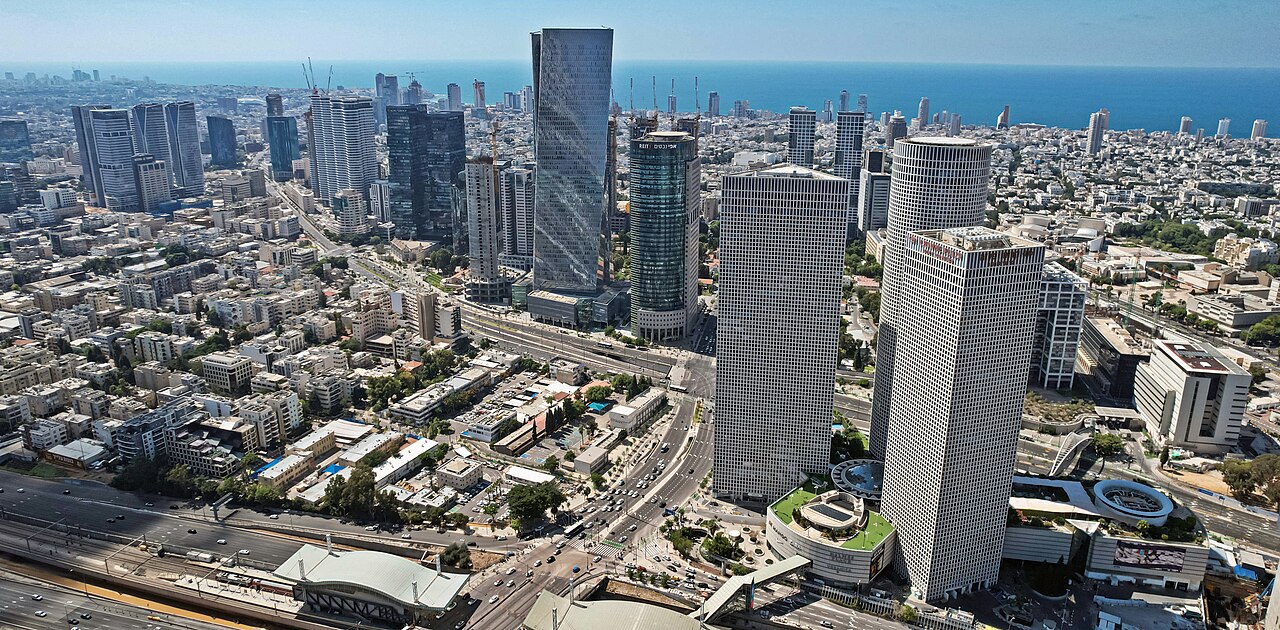
A city experienced through its streets
Tel Aviv–Jaffa combines a modern Mediterranean city with an older port and a long coastline. Its character emerges through neighbourhoods rather than a single monument: shaded boulevards, cafés, markets, beaches and residential streets. A rewarding visit mixes well-known places with ordinary urban life. Walking a manageable area, then stopping for a meal or the sea, often reveals more than travelling across the whole city in one day.
Architecture and the White City
The White City is recognised by UNESCO for its ensemble of modernist architecture, shaped by international ideas and adapted to local conditions. Look at balconies, shading, building proportions and the relationship between streets and homes. The point is not that every pale building is identical or belongs to one architectural label. A focused architecture walk helps distinguish original design, later alterations and restoration work.
Jaffa and the coast
Jaffa adds a much older port history and the life of a mixed city. Its harbour, lanes and market areas should be explored with attention to both historic sites and the people who live there today. The coast connects different parts of the urban landscape, but beaches vary in facilities and rules. Swim only where permitted and follow lifeguard instructions rather than choosing a spot solely for its appearance.
Markets, museums and food
Carmel Market and other commercial areas offer a sense of daily activity. Food can lead into conversations about migration, family traditions and the city’s changing population. Museums and galleries provide a useful contrast to a morning outdoors. Choose according to your interests instead of assuming that nightlife, shopping or the beach defines everyone’s version of Tel Aviv.
Making the city manageable
Distances, heat and traffic affect what fits comfortably into a day. Group nearby places and leave time for rest. Cycling requires attention to designated routes and pedestrians. The municipal tourism portal is a useful source for current visitor information. For historical reading, use the UNESCO entry and Wikipedia’s references, while remembering that neighbourhood life changes faster than many guidebooks.