
Zionism: origins, political movements and debates
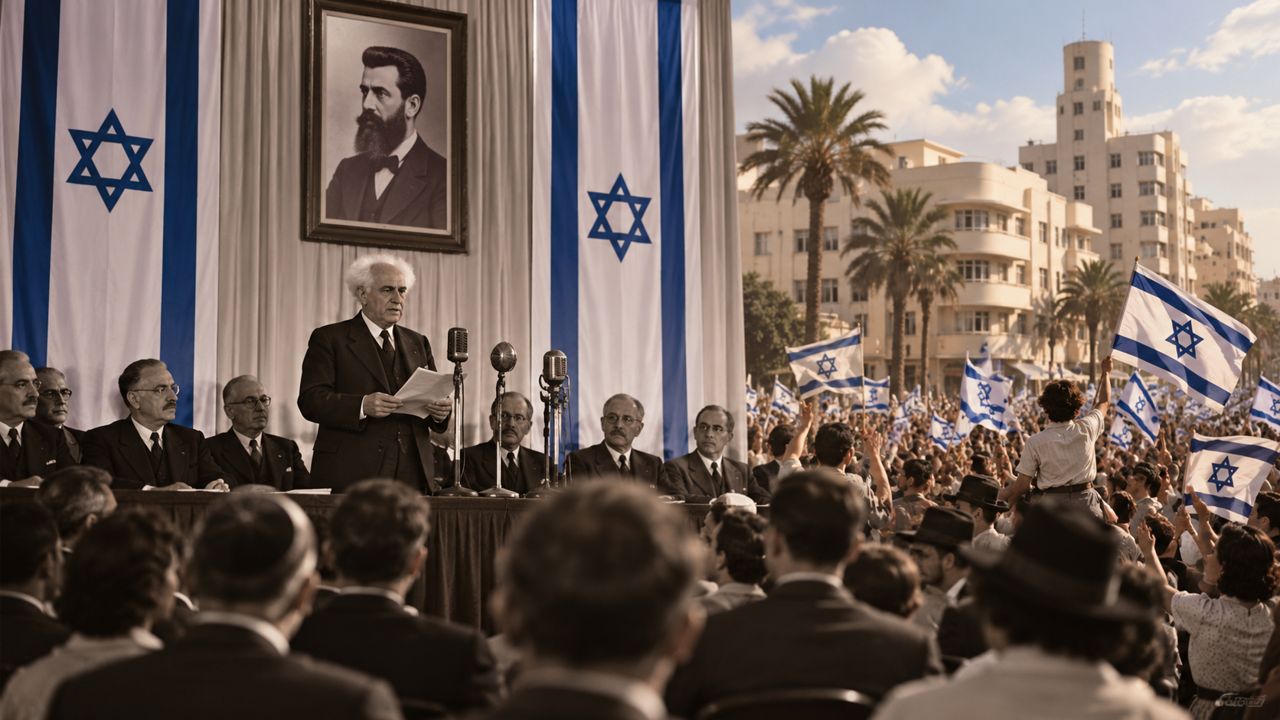
Zionism developed in the late nineteenth century as a Jewish national movement responding to antisemitism and debates about identity and political sovereignty.
Origins in Europe and elsewhere
Ideas about Jewish return to Zion have religious roots much older than modern political Zionism. In the nineteenth century, Jewish thinkers increasingly debated whether emancipation in Europe was sufficient to secure Jewish equality and safety. Pogroms and antisemitic politics strengthened the belief among some Jews that national self-determination was essential. Other Jews favored cultural autonomy, socialism, religious life in the diaspora or integration in existing states.
Herzl and organization
Theodor Herzl became an influential public advocate for a Jewish state after observing European antisemitism. His 1896 book The Jewish State and the Zionist Congress in Basel in 1897 helped create a lasting political organization. Yet Herzl did not invent the movement alone. Earlier activists and settlement efforts existed, and Zionism soon included labor, religious, liberal, revisionist and cultural currents that disagreed about strategy and society.
Settlement and the Mandate era
Jewish migration to Ottoman and then British-ruled Palestine increased in several waves. Immigrants established farms, towns, schools and political institutions, but they also entered a land inhabited by an established Arab population. Competing national movements developed and conflict intensified. British policies, the Balfour Declaration, the Mandate and changing immigration restrictions shaped the political environment. The Holocaust dramatically affected both Jewish migration and international arguments about refuge and statehood.
Statehood and continuing disagreement
The establishment of Israel in 1948 fulfilled the central statehood objective of many Zionists. Nevertheless Zionism did not become one simple ideology. Arguments continued about religion and state, minority rights, territory, immigration, economic organization and the country’s relations with Palestinians and neighbors. Many supporters define Zionism as Jewish self-determination; critics examine its connection to Palestinian dispossession and competing claims to the same land.
Understanding the word today
The term Zionism appears in political debate with strongly different meanings. It should not be automatically equated with every policy of an Israeli government, nor should it be treated as synonymous with Judaism: Jews have differing opinions about Zionism, and some non-Jews support it. Historical understanding requires attention to the particular movement, period and speaker. Reading primary documents alongside Palestinian and Israeli scholarship gives a fuller account.