Israel as a Holiday Destination: Beaches, Cities, Desert and Discovery
A long-form guide to Israel’s main holiday regions: Tel Aviv and Jaffa, Jerusalem, Haifa, Acre, Galilee, the Dead Sea, the Negev and Eilat.
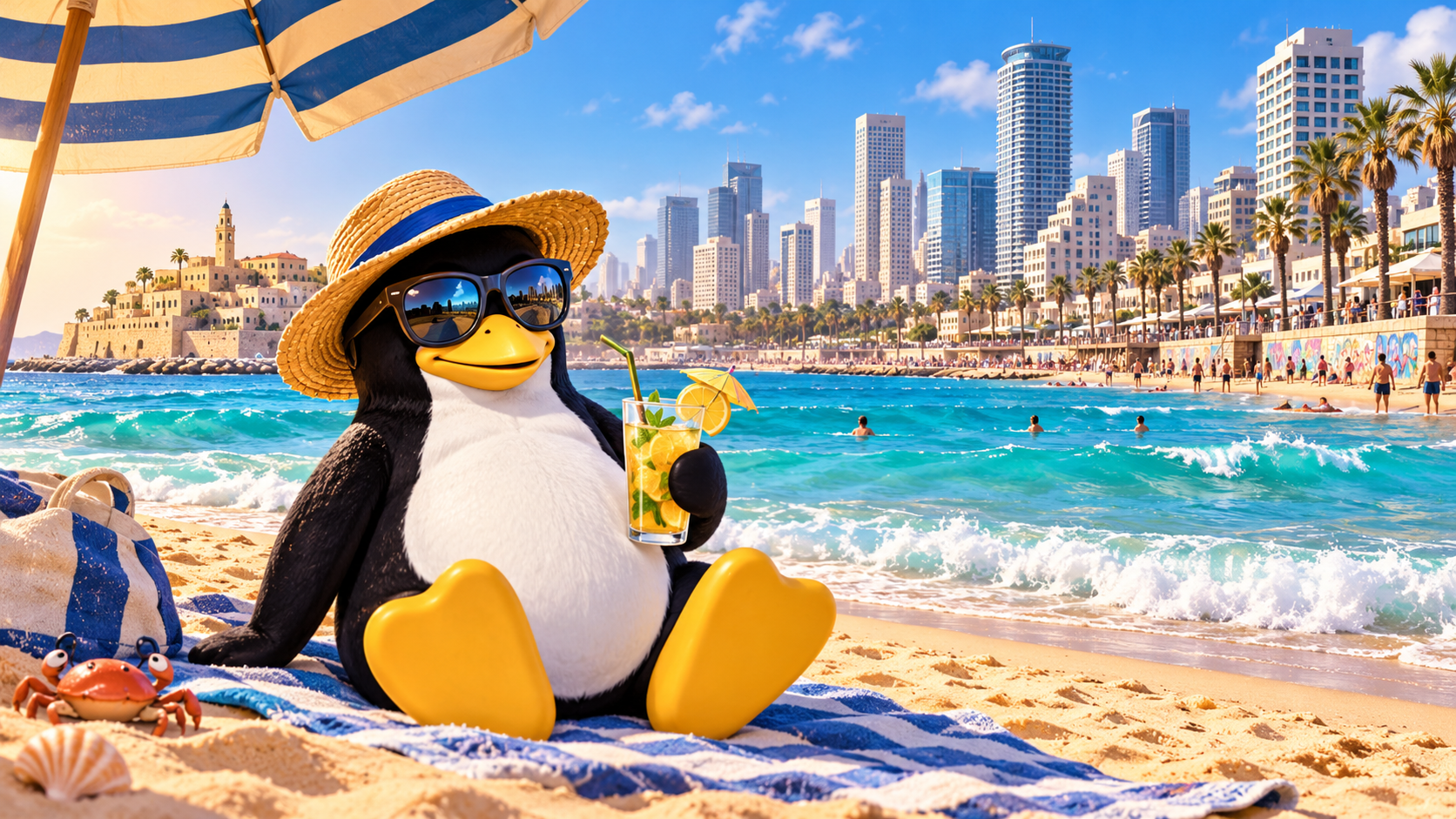
Practical information checked: 23 October 2026. Follow the linked official services for current entry, immigration and access rules.
What makes a holiday in Israel distinctive
Israel’s appeal as a holiday destination lies in the variety of experiences that can fit into a relatively compact journey. Mediterranean beaches, a modern coastal metropolis, sacred cities, archaeological landscapes, green northern hills and a dramatic southern desert offer very different ways to travel. A morning spent looking at modern architecture and an afternoon by the sea belong to the same trip as a quiet museum visit or a desert viewpoint.
That variety is more rewarding when it is approached slowly. The country is not simply a collection of famous places to photograph. Its neighbourhoods, food traditions, languages and religious calendars shape the atmosphere of a visit. The most memorable moments may be small: breakfast near a market, a conversation with a local guide or the change in colour across desert rock at sunset. This guide surveys the main regions and interests; it does not claim to list every attraction or confirm that every destination is currently accessible.
Tel Aviv: beach life and a modern city
Tel Aviv is the natural starting point for travellers who want urban energy alongside a Mediterranean holiday. The beachfront promenade links stretches of sand with cafés, walking routes and views of the sea. It is possible to build a day around a beach visit, then spend the cooler hours exploring neighbourhood streets. Swimming belongs at designated beaches when lifeguards and local conditions permit, rather than wherever the water happens to look inviting.
The White City adds an architectural dimension. Its concentration of Modern Movement buildings reflects the adaptation of European architectural ideas to a different climate and cultural setting. Rounded balconies, shading and the relationship between streets and buildings reward attention on foot. Tel Aviv therefore offers more than a resort experience: its urban design, cultural institutions and daily street life can occupy visitors who are as interested in the city as in the coastline.
Jaffa and the markets: the pleasure of wandering
Jaffa offers another texture within Tel Aviv–Yafo: old lanes, the port, workshops and views back towards the modern skyline. The flea-market area combines antiques, shops and food, while the surrounding city remains a place where people live and work. A good visit leaves room to notice that everyday life rather than treating historic streets as a stage set.
Markets provide another route into the city. Carmel Market and the streets around Levinsky are associated with produce, spices, bakeries and small food businesses. Sarona offers a more contemporary covered-market setting. There is no need to rush between all of them in one day. Choose one area, walk beyond the busiest stalls and allow time for a meal. Opening patterns vary with individual businesses, holidays and the day of the week, so a market itinerary should remain flexible rather than depend on a single promised opening time.
Jerusalem: history that remains part of daily life
Jerusalem is a different kind of destination, where sacred history, contested space and ordinary urban life overlap. The Old City’s lanes lead between sites central to Judaism, Christianity and Islam. The Western Wall, the Church of the Holy Sepulchre and the Haram al-Sharif or Temple Mount belong to living religious traditions, not merely to an architectural itinerary. Access arrangements differ, and visitors should follow current rules and respect worshippers.
Outside a quick circuit of famous sites, museums can help place what you see into context. The Tower of David Jerusalem Museum is one starting point for understanding the city’s many periods. A worthwhile Jerusalem visit alternates intense historical encounters with time to absorb them. Dress expectations at religious sites, steps and uneven paving, and the emotional significance of the city all affect the experience. A knowledgeable guide can help distinguish historical evidence from religious tradition and explain why different communities understand the same place differently.
Haifa and Mount Carmel: gardens, sea and neighbourhoods
Haifa combines a working port, hillside neighbourhoods and Mediterranean views. The setting on Mount Carmel makes the relationship between city and landscape especially visible. The Bahá’í gardens and holy places are among its best-known landmarks, and their meaning is spiritual as well as visual. The UNESCO inscription connects sites in Haifa and the western Galilee with the history and pilgrimage traditions of the Bahá’í faith.
For a visitor, Haifa can provide a less concentrated pace than trying to cover the entire country from one base. Time in neighbourhood cafés and streets gives context to the famous viewpoints. It is useful to plan around the hills: a short distance on a map may involve a substantial climb. Garden access, guided visits and transport arrangements should be checked directly. The city works particularly well as part of a northern coastal journey, rather than as a single photo stop between two other destinations.
Acre and Caesarea: two very different coastal histories
Acre, or Akko, rewards visitors interested in the layers beneath and above a living city. Its historic port and Ottoman urban fabric coexist with substantial Crusader remains. UNESCO highlights precisely that relationship between the later fortified town and the earlier medieval city. Walking through the lanes, looking towards the sea and exploring the archaeological spaces can produce a fuller experience than concentrating on one monument.
Caesarea offers another coastal encounter with history. Its ancient harbour setting and Roman remains make the relationship between imperial ambition and the Mediterranean landscape especially vivid. It can be paired with another coastal destination, but deserves time of its own. The contrast is useful: Acre is a densely inhabited historic town, while Caesarea National Park is primarily an archaeological visit. Choosing both is less repetitive than it might appear on a list, because they invite different kinds of attention and movement.
Galilee: hills, villages and a slower rhythm
Galilee offers a change from the coastal metropolis and the desert south. Its appeal includes hill country, agricultural landscapes, towns and villages with different religious and cultural traditions. A visitor interested in food, local history or a slower itinerary may find that staying in one area is more rewarding than making a series of brief stops.
Nazareth is especially important for Christian pilgrims, with the Basilica of the Annunciation among its central sites. It is also a living Arab city with markets, food businesses and a contemporary cultural life. An itinerary that looks only for biblical associations misses that present-day identity. Around the wider region, visitors can combine religious heritage with landscape, but should avoid assuming that every site has the same access arrangements or that a short journey on a map guarantees an easy route. Local knowledge and current conditions matter.
Safed and the Sea of Galilee
Safed, also written Tzfat, is associated with Jewish mysticism, old synagogues and a distinctive hilltop setting. Its lanes and artistic activity make it a place to explore on foot, with time for the atmosphere rather than only a list of landmarks. Religious institutions remain places of worship, so photography and visiting etiquette require care. The city’s history is most interesting when its spiritual associations are connected with real communities, scholarship and changing political periods.
The Sea of Galilee, or Kinneret, offers another northern focus. Tiberias and sites around the lake draw visitors interested in Jewish and Christian history as well as water and landscape. Shoreline visits, religious sites and hill-country journeys can be combined, but each deserves a realistic amount of time. Swimming should be limited to designated, permitted beaches, with current local guidance checked. A pleasant lakeside view is not evidence that any stretch of shore is safe or open for bathing.
The Dead Sea and the desert edge
The Dead Sea provides an experience quite unlike the Mediterranean: a salt-rich lake in a stark desert setting, with a landscape defined by water, rock and enormous changes in elevation. Its attraction is as much the surrounding environment as the familiar image of floating. Use managed bathing areas and follow their instructions. Unregulated access can involve unstable ground and other hazards, and the lake should not be approached as an ordinary swimming beach.
Travellers often combine the area with Masada or an oasis visit, but the journey should be paced around heat and distance. It is better to choose a small number of stops than to treat every viewpoint as compulsory. The Dead Sea shoreline spans different jurisdictions, so confirm the exact location of any hotel, beach or excursion. A destination name alone does not explain the route, entry arrangements or political geography of a proposed visit.
Masada and Ein Gedi: history beside a fragile landscape
Masada’s plateau, Herodian remains and surviving Roman siege works make it one of the region’s most striking archaeological sites. UNESCO emphasizes both its dramatic setting and the exceptionally preserved evidence of the siege. Seeing the landscape from above can help explain why the site held such strategic importance. The historical interpretation deserves attention alongside the panorama; it is more than a backdrop for a sunrise photograph.
Ein Gedi offers an oasis environment on the desert edge. Its ecological interest is a reminder that apparently dry landscapes contain delicate systems of water, vegetation and wildlife. Trails and water access may be restricted, and visitors should follow the park authority’s current notices. Combining Masada and Ein Gedi requires judgment about weather, opening arrangements and personal mobility. The best day is not necessarily the one with the most walking. An accessible viewpoint or a shorter permitted route may provide a better experience than an overambitious schedule.
The Negev and Mitzpe Ramon: space, geology and night skies
The Negev changes the scale of a holiday. Open landscapes, distant horizons and exposed geology encourage a slower kind of looking. Mitzpe Ramon is a natural focus for travellers drawn to the Ramon makhtesh, often called Ramon Crater. It is an erosion landform rather than a meteorite impact crater. Understanding that distinction makes the landscape more interesting: water, rock structure and immense spans of time explain its form.
A desert visit can include a visitor centre, marked walks where permitted, guided excursions or simply time at an approved viewpoint. Darkness and clear conditions can make night-sky experiences appealing, but they require appropriate locations and planning. Heat, flash floods and remoteness make improvisation unwise. The attraction of the desert is not that it is empty of rules or people. Its natural systems, communities and protected spaces deserve the same respect as a museum or a sacred site.
Eilat and the Red Sea
Eilat offers a southern resort setting distinct from Israel’s Mediterranean coast. The Red Sea’s underwater environment is central to its appeal. Coral Beach Nature Reserve provides managed access to a marine habitat where snorkelling and diving can reveal fish and coral without requiring every visitor to become an experienced diver. The reserve’s access structures are designed to help people reach the water while reducing damage to the reef.
Marine tourism depends on restraint. Do not stand on coral, touch wildlife or collect objects from protected areas. Follow the instructions of reserve staff and qualified activity providers. Beyond the beach, the arid mountain landscape gives the Eilat area another visual character. A stay here can serve as a separate beach holiday or the southern portion of a longer route. It is a substantial journey from the central cities, so allow for the transfer instead of treating Eilat as a casual afternoon extension.
Food and cultural encounters are part of the destination
Food is one of the best ways to experience the country’s layered society. Markets and neighbourhood kitchens reflect Arab and Palestinian traditions, Jewish communities from many countries, Mediterranean ingredients and newer culinary experiments. Shared dishes have histories that cross modern borders; it is more informative to learn about those connections than to insist that every food has only one national owner.
A food-focused day need not involve an expensive restaurant. A bakery, produce market and unhurried lunch can reveal much about an area. Visitors with dietary requirements should ask specific questions: vegetarian, vegan, kosher and halal are different categories, and assumptions can lead to mistakes. Religious calendars also influence where and when people eat. Observing these rhythms can become part of the interest of travel. It invites visitors to see the country as a set of lived communities rather than a uniform product designed for tourists.
Choosing a route that suits your interests
For a first visit centred on cities, a reasonable planning idea is to divide time between Tel Aviv–Yafo and Jerusalem, then add one region that matches your interests. The northern coast suits a combination of port cities and archaeology. Galilee suits a slower journey with religious heritage and landscapes. The Dead Sea and Negev offer a dramatic contrast, while Eilat suits travellers who want a dedicated Red Sea stay.
A longer trip can combine more regions, but distances, traffic and the effort of changing accommodation still matter. Leave space for rest and for plans to change. Families, wheelchair users, hikers and museum enthusiasts will not benefit from identical itineraries. Decide first what makes a good day for your group, then choose destinations accordingly. This is an editorial planning approach rather than a confirmed tour programme: transport, accessibility, openings and the feasibility of any route must be verified before booking.
Seasons, entry and current travel conditions
The coast, Jerusalem’s hills, the north and the southern desert do not have identical weather. Summer heat can dominate outdoor planning, while rain and cooler conditions affect other seasons and higher elevations. Spring and autumn may suit many activities, but conditions should be checked for the specific place and day. Desert flood risk can exist even where rain is not falling directly overhead.
Entry permission also requires preparation. Depending on nationality and travel document, a visitor may need a visa or ETA-IL authorization. Use the official government service and check the rules before making commitments. Security conditions, transport and site access can change rapidly. Read your own government’s current travel advice and local instructions; this article does not certify that any area is safe or open. With that practical groundwork, a holiday can focus on what makes the country distinctive: the unusually close encounter between coastline, sacred history, contemporary city life and desert landscapes.
Sources and further reading
Original introductory text. The links below provide historical references and further reading. Religious tradition is identified as such. Image credits and reuse terms appear beneath each photograph.
- Israel Ministry of Tourism
- UNESCO: White City of Tel Aviv
- Visit Israel: Tel Aviv markets
- Tower of David Jerusalem Museum
- UNESCO: Bahá’í holy places
- UNESCO: Acre; see also Caesarea National Park
- Visit Israel: Nazareth
- Visit Israel: Safed; check official bathing notices for the lake
- Israel Nature and Parks Authority: sites and notices
- UNESCO: Masada; see also the Nature and Parks Authority
- Ramon visitor centre: official information
- Eilat Coral Beach Nature Reserve
- Visit Israel: culinary Tel Aviv
- National parks: maps and visit planning
- Official entry authorization; also consult your national travel advisory
- Caesarea National Park — official site
- Ein Gedi Nature Reserve — official site
- Jerusalem’s Old City — Ministry of Tourism