
Ashkenazi Judaism: origins, communities and traditions
Editorial reference date: 26 October 2026
Beginnings in medieval Europe
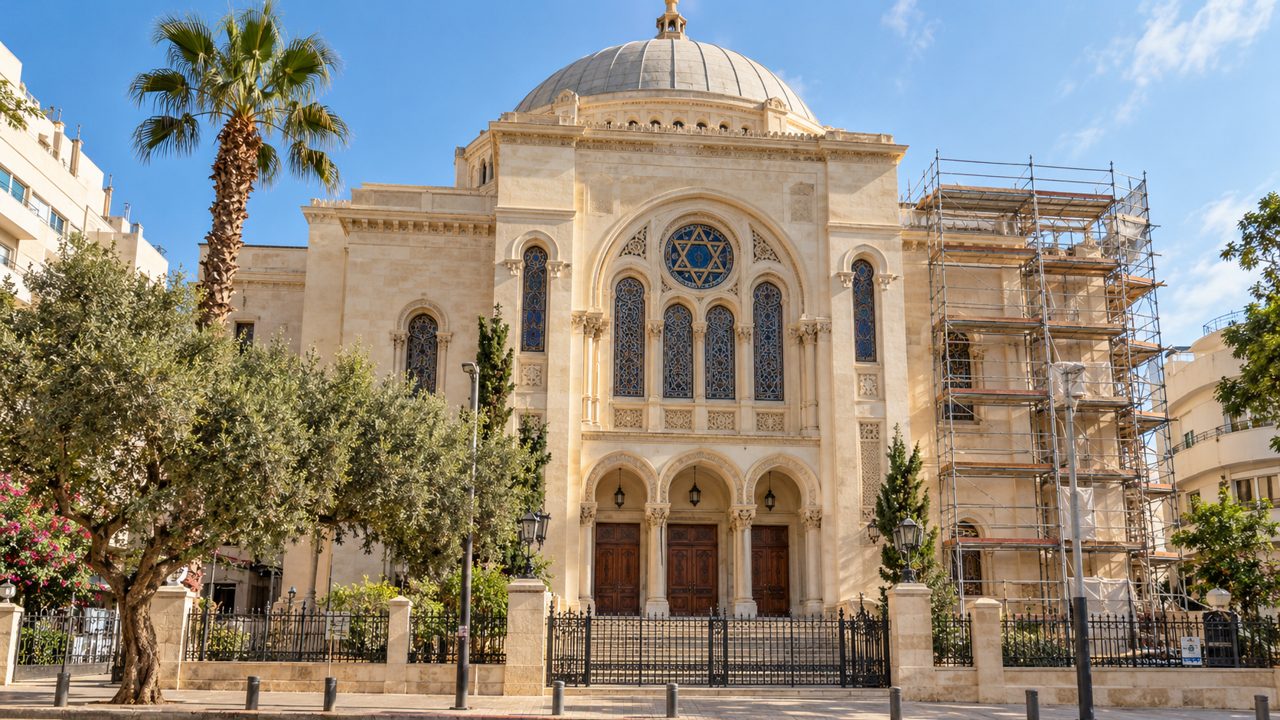
Ashkenazi Jewish life developed in communities along the Rhine and later across Central and Eastern Europe. The designation Ashkenaz became associated with German-speaking lands in medieval Jewish sources. Religious traditions arose through local rabbinic schools, commercial networks and close relationships between family and congregation. The community was never ethnically or culturally uniform, and migration over centuries changed its language and practices.
Yiddish, scholarship and family life
Yiddish developed from a Germanic linguistic base enriched by Hebrew-Aramaic and other European influences. It became the language of everyday life, popular literature, newspapers and eventually mass politics. Rabbinic commentators, including Rashi and the Tosafists, influenced the study of Torah and Talmud throughout the Jewish world. The traditions of Sabbath observance, prayer melodies, food and holiday customs differed among regions and generations.

Persecution and migration
Medieval massacres, expulsions, restrictions on residence and economic activity affected many communities. Early modern Jews moved eastward into Polish-Lithuanian territories, where an extensive Jewish civilization eventually emerged. Modern emancipation, industrialization and mass emigration changed that world again. Millions left for the Americas and other destinations. The Holocaust murdered a large proportion of European Jews and destroyed many places where Ashkenazi culture had flourished.
Orthodoxy, reform and new movements
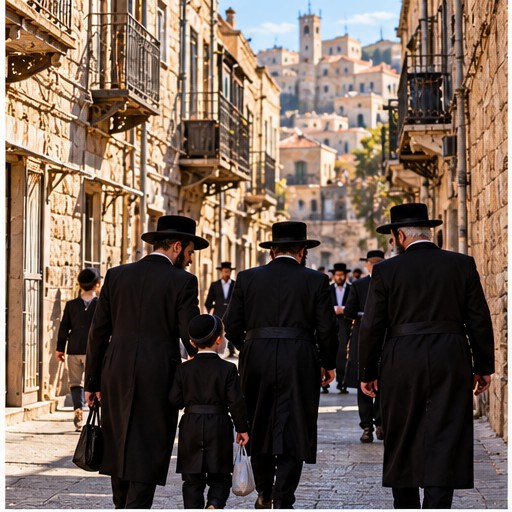
Modern Ashkenazi Judaism includes a spectrum of religious and secular identities. Reform, Conservative and modern Orthodox currents developed in modern Europe and North America; Hasidic and other Haredi communities formed different frameworks for observance. These movements disagree on religious law and social adaptation, but they draw in different ways on shared historical sources. Eastern European Jewish intellectual life also gave rise to socialist, Zionist and secular literary movements.
Life in Israel and abroad
After 1948 many survivors and their descendants built new communities in Israel, while major centers also developed in the United States, Canada and Western Europe. Yiddish lives in Hasidic families, scholarship, literature and cultural revivals. Ashkenazi ritual forms are part of contemporary Israeli Judaism but exist alongside Sephardi and Mizrahi traditions. The history is not a ranking of groups: each community has its own contributions and debates.