
The Bar Kokhba revolt: war, sources and consequences
26 October 2026
The Bar Kokhba revolt erupted in Roman Judea in 132 CE, roughly six decades after the destruction of Jerusalem’s Second Temple. The Temple’s loss in 70 CE had already transformed Jewish poli
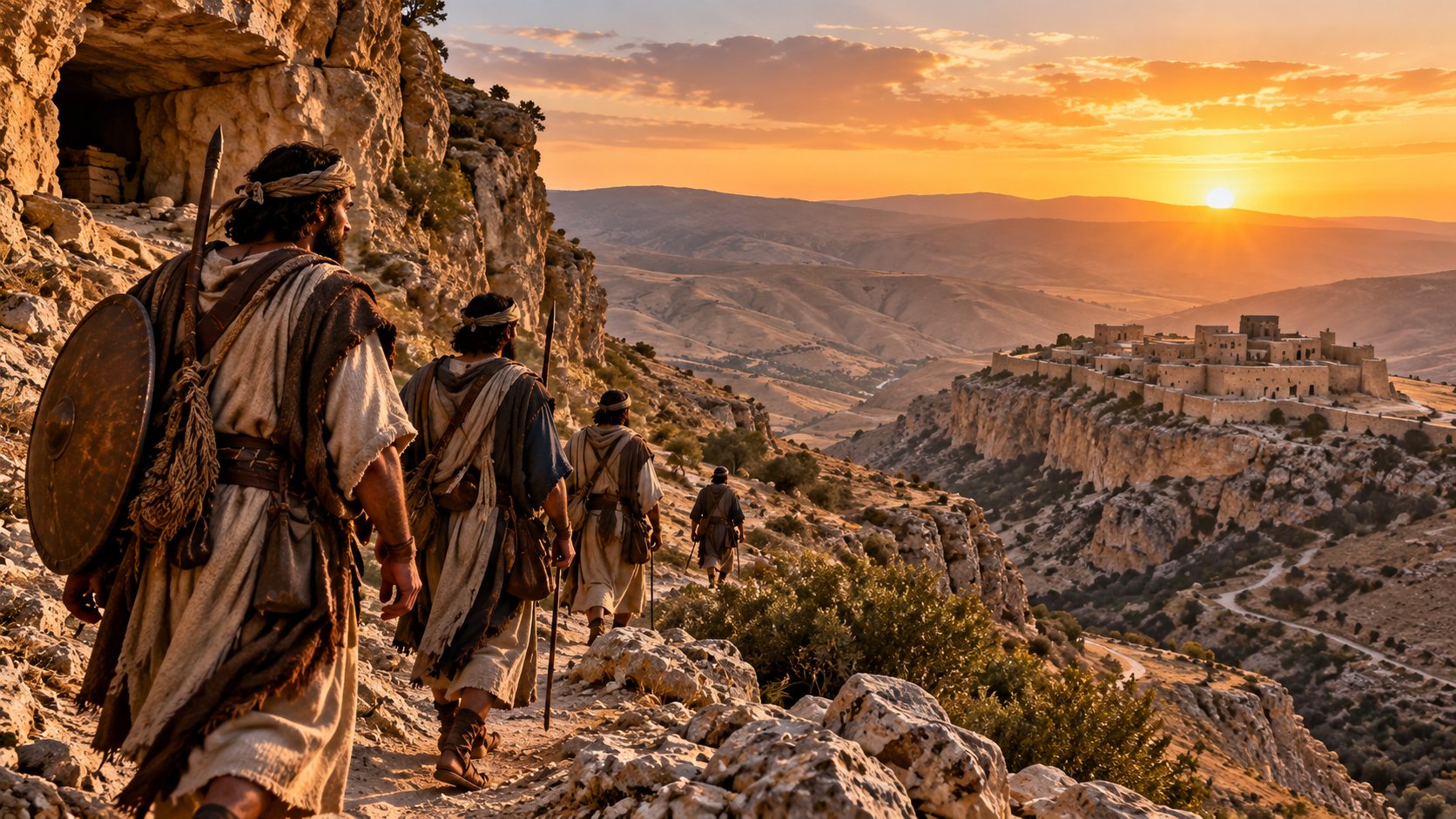
Judea under Roman rule
The Bar Kokhba revolt erupted in Roman Judea in 132 CE, roughly six decades after the destruction of Jerusalem’s Second Temple. The Temple’s loss in 70 CE had already transformed Jewish political and religious life, while Roman institutions controlled the province. Emperor Hadrian’s plans for Jerusalem and the establishment of a Roman colony, Aelia Capitolina, are frequently discussed among the possible causes of the rebellion. Ancient accounts also mention restrictions on religious practices, but scholars debate their chronology and the extent to which they precipitated the uprising. Explaining the conflict responsibly means distinguishing contemporary archaeology from later literary traditions.
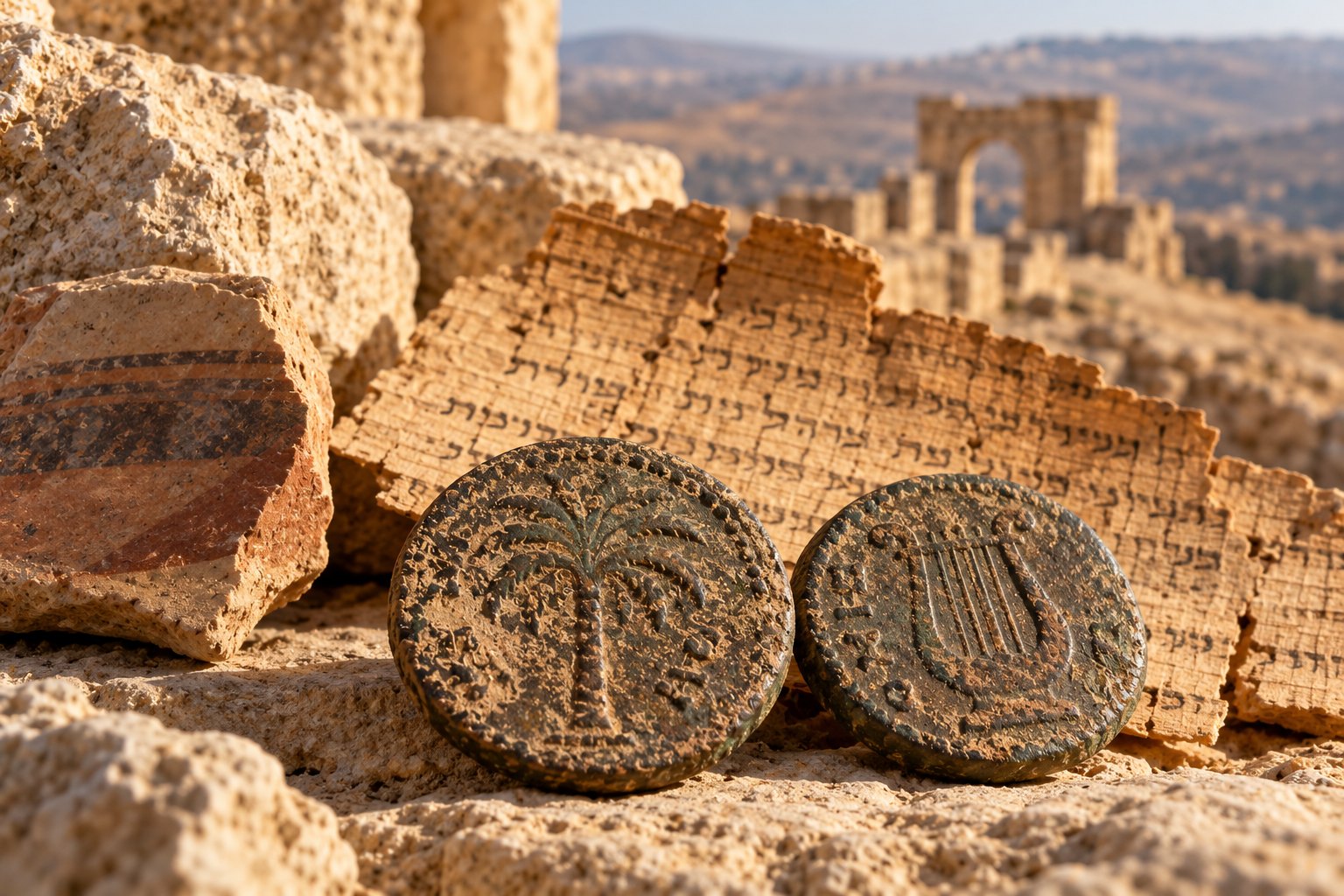
Simon bar Kosiba and the rebellion
The leader known as Simon bar Kokhba was also called Simon bar Kosiba. His titles and the language of independence can be examined through coins and letters. Early in the uprising, rebel forces established control over parts of Judea and organized administration, provisions and communications. The rebels struck coins bearing Hebrew inscriptions about the redemption or freedom of Israel and Jerusalem, sometimes by overstriking Roman coins. This monetary production was a political statement as well as a practical means of exchange. A Roman province could not simply claim independence without triggering a major military response.
Letters, caves and human lives
Letters discovered in the Judean Desert include commands attributed to the rebel leader and information about logistics, supplies and subordinate commanders. Together with coins, pottery, textiles and the private documents of refugees, these finds illuminate experiences far removed from battles and rulers. The Cave of Letters at Nahal Hever is particularly important because it preserved records and possessions under exceptionally dry conditions. The Babatha archive, although not identical to rebel administrative papers, offers evidence about property and everyday life of people in the wider region. Museum collections and excavation reports help historians test claims made in later sources.
Defeat and devastating consequences
The Roman army eventually defeated the rebels in a prolonged campaign that culminated around 135 CE; the fortress of Betar became a powerful symbol of the defeat in Jewish memory. Roman commanders used substantial forces, and archaeological remains indicate widespread destruction in areas affected by the fighting. Some ancient authors recorded enormous numbers of casualties, but their figures cannot be accepted automatically as precise demographic counts. Many residents died, were displaced or faced enslavement. Jerusalem’s role and its access for Jews changed. The Roman name Syria Palaestina is often associated with the period, although historians debate the chronology and rationale of administrative changes.
Memory, religion and historical method
Rabbi Akiva’s reported support for Bar Kokhba belongs to a body of Jewish traditions that must be read with attention to their later transmission. Names associated with the rebellion appear in liturgy, education and modern Israeli public memory, sometimes through conflicting interpretations. A historical article should not turn the revolt into a simple tale of inevitable victory or unavoidable defeat. Coin inscriptions, written orders, Roman accounts, settlement archaeology and modern scholarship each answer different questions. The tragedy of war becomes clearer when the civilian suffering, political motives and uncertainty of the evidence are all held in view.
Sources · further reading
- Israel Antiquities Authority: excavation of Bar Kokhba-era finds
- Hebrew University: Te’omim Cave archaeology
- Bar-Ilan University: Bar Kokhba coin
- The Metropolitan Museum of Art: Cave of Letters finds
- The Jewish Museum: revolt-era coin
- Bar Kokhba Revolt overview
- Bar-Ilan University – Hanan Eshel on the 132–135 revolt
- Posen Library – authentic Bar Kokhba letters