
B’Tselem: Israeli documentation of Palestinian rights
Origins and purpose
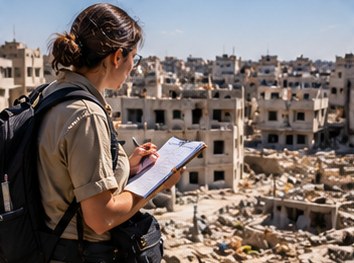
B’Tselem was founded in 1989 as an Israeli organization documenting human-rights conditions in the territories Israel occupied in 1967. Its name comes from the biblical phrase about humans being created in the divine image. The organization gathers testimonies, video, casualty data and legal analysis about military activity, settlement practices, arrests, freedom of movement and harm to civilians.
Why its work is controversial
B’Tselem often criticizes Israeli state policy and argues that Palestinian rights are systematically violated. In a 2021 paper it described the system of Israeli rule between the Jordan River and the Mediterranean Sea as apartheid. That is the organization’s analysis, not an uncontested legal verdict. Israeli government representatives and other commentators have disputed this framework and challenged aspects of the group’s methodology.
Documentation versus advocacy
Human-rights monitoring relies on witnesses, source verification and institutional independence. Critics may question individual reports; supporters point to the importance of documenting conduct that otherwise receives little scrutiny. Responsible readers should review the original methodology, compare multiple investigations and separate reported events from the legal and moral conclusions drawn from them.
Why the subject matters
Palestinians in occupied territory face different systems of jurisdiction and movement than most Israeli citizens. B’Tselem’s reports are part of a much wider debate about occupation, security, equality and international humanitarian law. Describing the organization does not require endorsing every conclusion; it does require representing its purpose and findings accurately.
Sources and further reading
Updated: October 2026
Assessing contested evidence
A human-rights report should ideally disclose its sources, explain how locations and dates were verified and distinguish testimony from independently observed events. This also applies when evaluating responses from military and political authorities. Readers can compare a specific report with court records, contemporary media coverage and other human-rights monitoring. Such source criticism helps prevent an important public debate from being reduced to whether one supports or opposes a particular organization.