
The Tomb of David on Mount Zion
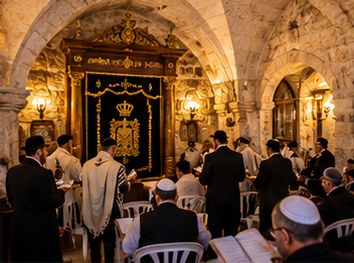
A place of prayer and encounter
On Jerusalem’s Mount Zion, the traditional Tomb of David is a frequently visited devotional site. Jewish worshippers arrive for psalms, prayers and the atmosphere of a place associated with Israel’s biblical king. Visitors may encounter study groups, singing, late-evening activity and people gathering around Shabbat. The intensity of the site varies by season and security circumstances; it is not an open-air party venue but a functioning religious location.
Tradition and the question of location
The Bible associates David’s burial with the City of David, while the Mount Zion shrine is a later identification. For this reason scholars do not treat the present tomb as an archaeologically confirmed burial of King David. The distinction matters: a tradition can remain spiritually powerful even when a historical claim cannot be demonstrated. The current complex has passed through several periods of religious and political control.
A shared and sometimes sensitive complex
Above the traditional tomb lies the Cenacle or Room of the Last Supper, important in Christian pilgrimage. The same building has been claimed or visited by different communities across centuries. Modern agreements, prayer rights and access arrangements can be sensitive. Visitors should avoid assuming that the site belongs exclusively to one simple historical narrative.
Shabbat and Jerusalem life
Around Shabbat and Jewish festivals, worshippers may come to sing melodies, hear teachings, join a minyan or read Psalms attributed to David. The broader Mount Zion district also includes churches, memorial sites and historic lanes. A thoughtful visit combines respect for ongoing worship with awareness of the complex historical layers beneath the stories.
Sources and further reading
Updated: October 2026
A site of shared heritage
The traditional David’s Tomb complex is associated with Jewish prayer and pilgrimage, while an upper room in the same building is linked in Christian tradition with the Last Supper. Its layered identity shows how places in Jerusalem can be historically meaningful to multiple communities. The sacred status of a location does not by itself establish the archaeological identity of the burial place.