Gaza war
Editorial update: 26 October 2026
Historical context
This overview examines the historical background, major events and ongoing significance of Gaza war. It distinguishes documented facts, competing accounts and unanswered questions, and points readers toward academic and primary sources.
Origins and October 2023
The war in Gaza followed the Hamas-led attacks on Israel on 7 October 2023. Attackers killed civilians and members of the security forces and abducted hostages into Gaza. Israel launched a large-scale military campaign, saying that its aims included dismantling Hamas's military capacity and securing the release of hostages. To understand the war it is necessary to distinguish the events of that day from the earlier history of Gaza, including the end of Israeli settlements and permanent ground forces in 2005, the Hamas takeover in 2007, the Israeli and Egyptian restrictions at the borders, and multiple prior rounds of hostilities. None of that history removes the obligation of parties to protect civilians under international humanitarian law.
Military operations and the experience of civilians
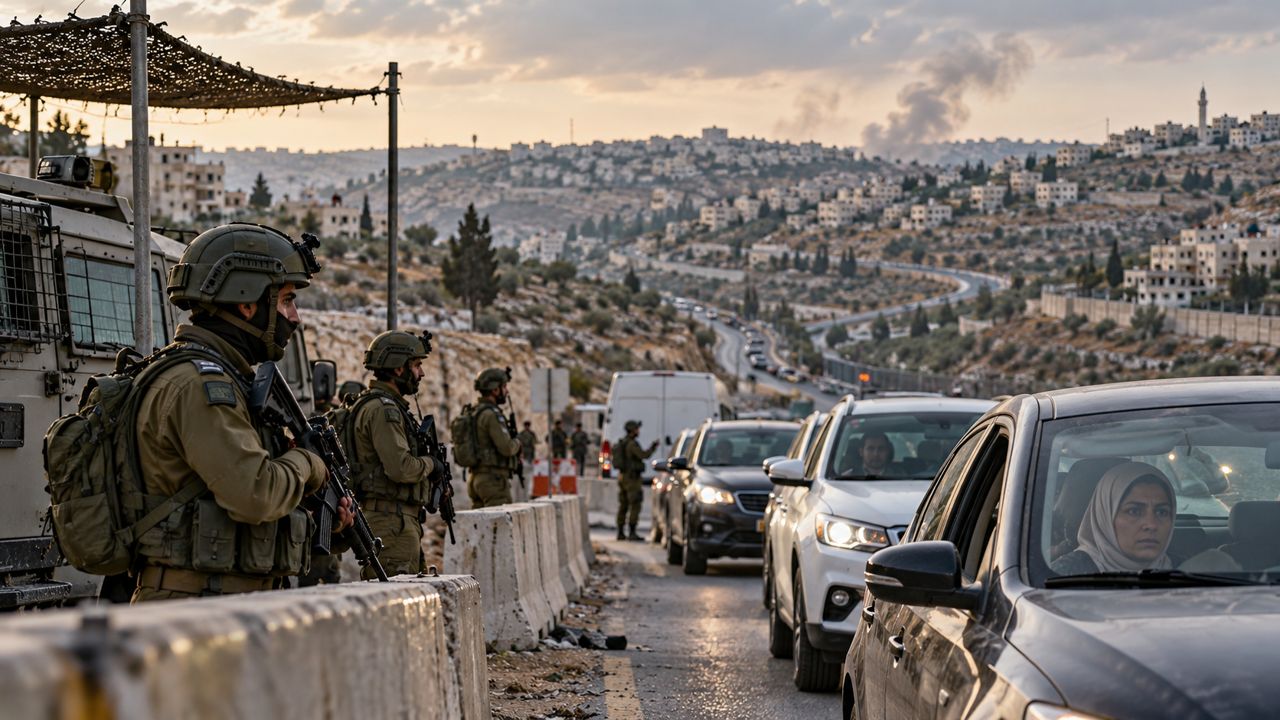
Israeli forces have conducted extensive air and ground operations against Hamas and other armed groups. Hamas and other Palestinian armed organizations have carried out attacks and maintained armed capabilities. The fighting has devastated neighbourhoods and public infrastructure, displaced families repeatedly and disrupted hospitals, schools, water systems and livelihoods. Palestinians in Gaza have suffered immense civilian casualties and loss of homes. Israelis have experienced bereavement, trauma, displacement and fear of attacks, while hostage families have campaigned for the return of their relatives. Casualty figures and the status of combatants require dated attribution to the organizations reporting them; numbers must not be presented as permanent or identical across methodologies.
Ceasefire diplomacy and international actors
The United States has played a central role in negotiations and military diplomacy, while Egypt and Qatar have served as important mediators. Israel is represented through its government, military and negotiating teams; the UN and humanitarian organizations focus on civilian protection, relief and access. Iran has long provided support to militant actors in the region, including Hamas, while also participating in a broader confrontation with Israel and the United States. The precise nature of any current Iranian operation must be checked against contemporary reporting rather than inferred from historical alliances. Ceasefire agreements can reduce fighting, but their durability depends on implementation, security arrangements, aid access, governance and release of captives.
Humanitarian situation in October 2026
The UN Office for the Coordination of Humanitarian Affairs reported on 19 October 2026 that strikes, shelling and gunfire continued to cause reported civilian casualties during its late-September-to-mid-October reporting period. It also described damaged shelter, food and fuel shortages and severe risks for people living in displacement sites ahead of the rainy season. According to that report, approximately 950,000 displaced people were in areas assessed to face medium or high flood risk. These are dated UN assessments, not real-time measurements. Readers should compare humanitarian assessments with verified official responses and independent reporting to understand both the military and civilian dimensions.
Law, accountability and the limits of available information
International humanitarian law prohibits deliberate attacks on civilians, hostage-taking and indiscriminate attacks and regulates proportionality and precautions in military operations. Investigations into specific events require evidence, witness testimony and independent procedures. Political actors, journalists, the Israeli military, Palestinian authorities and international agencies may describe the same incident differently. This article makes those distinctions clear and does not treat allegations as judicial findings. A durable political future will also depend on security for Israelis, rights and self-determination for Palestinians, reconstruction, accountable governance and international cooperation.
Further reading
The reference links below deliberately combine Israeli official sources, the United States government, Iran's foreign ministry, United Nations reporting, the International Committee of the Red Cross and international news agencies. Statements by governments describe their own policies; UN reports describe monitored humanitarian conditions; newspapers provide editorially independent reporting. Publication dates should be checked before quoting figures or presenting developments as current.
Images and context