
The Hasidic movement and the tzaddik: origins and communities
Editorial reference date: 26 October 2026
An eighteenth-century revival
Hasidism emerged in eighteenth-century Eastern Europe, associated with Israel ben Eliezer, the Baal Shem Tov. It emphasized prayer, spiritual enthusiasm, moral teaching, communal support and the religious significance of ordinary life. Its early leaders did not create a single centralized organization. Different circles formed around teachers, gradually growing into recognizable networks and dynasties.
The tzaddik and leadership
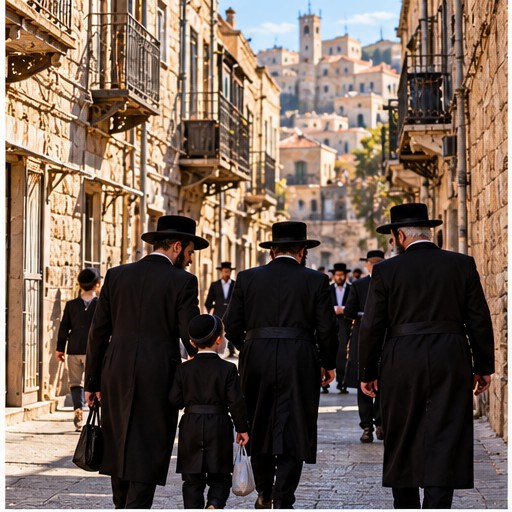
The tzaddik or rebbe became a central figure in many Hasidic communities. Followers sought guidance in religious practice, education, personal dilemmas and communal matters. Over time leadership was often transmitted within families, although practices varied. The charismatic and hereditary dimensions of the role are described in the YIVO Encyclopedia’s historical studies. The development also provoked debate with non-Hasidic rabbinic opponents.

Prayer, music and religious texts
Hasidic devotional life is associated with distinctive melodies, gatherings, Torah discourses and stories about spiritual teachers. Many communities established educational institutions and charitable organizations. Hasidic writings drew on Jewish mysticism but also emphasized daily observance of halakhah. Cultural expression differed between courts, and popular descriptions based solely on clothing overlook differences in scholarship, language and attitudes toward modern society.
Destruction and reconstruction
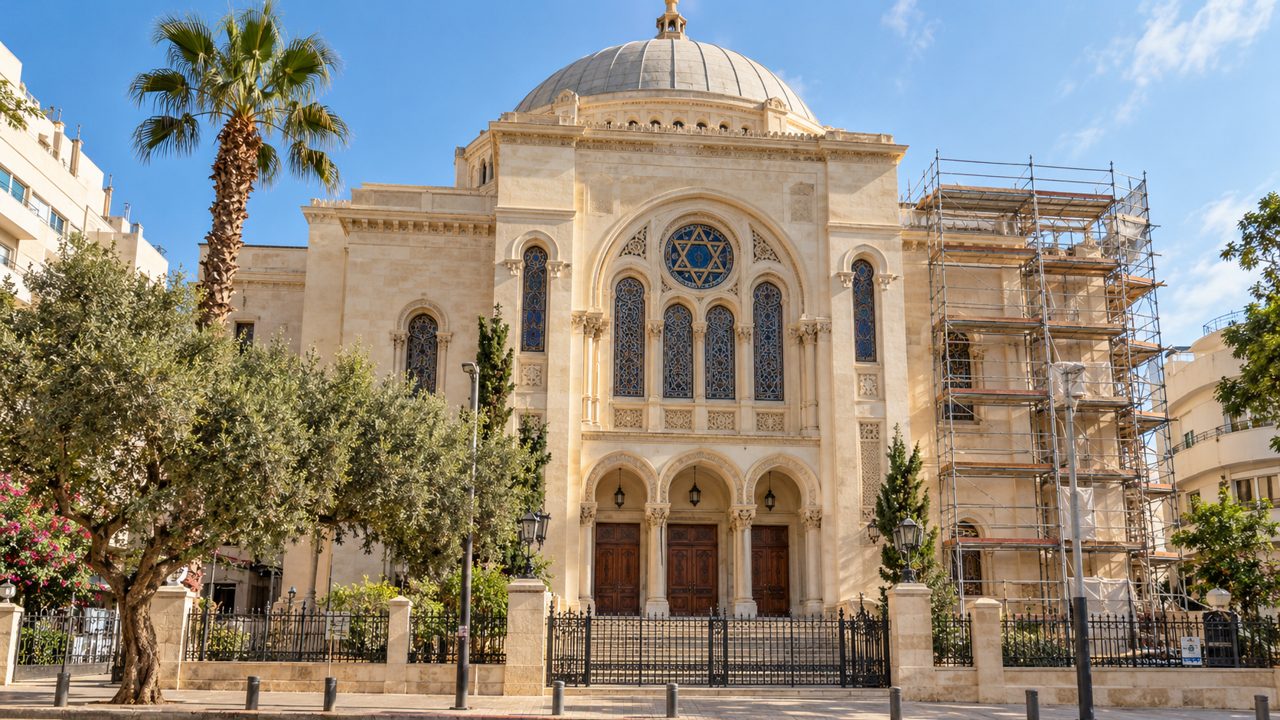
The Holocaust annihilated countless Hasidic families and institutions in Eastern Europe. Survivors rebuilt communities after 1945, especially in Israel, New York and other North American locations. Some dynasties continued under heirs to prewar leaders; others reorganized around surviving scholars. New neighborhoods, schools and publishing houses created a striking institutional recovery alongside the memory of immense loss.
How many movements exist today?
There is no single universally accepted count of Hasidic movements. The answer depends on whether a historian counts only major dynasties, every subgroup led by a separate rebbe or local communities belonging to a larger network. Well-known traditions include Chabad, Breslov, Ger, Belz, Satmar, Vizhnitz, Bobov, Karlin-Stolin and many others. Membership estimates similarly vary because affiliation is often organized through families and institutions rather than one worldwide register.