
Israel election 2026: parties, leaders and their chances
A close race before 27 October
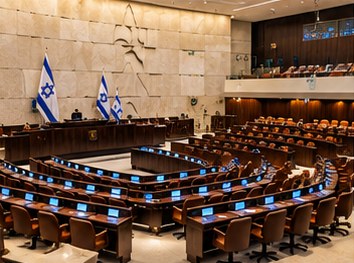
Israel’s 26th Knesset election is scheduled for 27 October 2026. The polls available on 23–25 October show no automatic majority for either political bloc. The Knesset has 120 seats, so a government generally needs the support of at least 61 members. A projected 22 seats for one party is not a prime-ministerial mandate by itself: coalition negotiations decide who can form a government.
Main parties and leaders
Poll comparisons show Yashar, led by former army chief Gadi Eisenkot, at roughly 20–23 seats. Likud, led by Benjamin Netanyahu, is around 19–26. Naftali Bennett’s Together or B’Yachad list is commonly around 11–15. The Democrats, associated with Yair Golan, are around 8–10. Yisrael Beiteinu is led by Avigdor Lieberman, while Arab-party projections include the Joint List and Ra’am under Mansour Abbas.
Religious and right-wing lists
Shas, whose dominant political figure is Aryeh Deri, generally polls around seven or eight seats. United Torah Judaism represents ultra-Orthodox Ashkenazi parties, with leadership spread among several factions. Itamar Ben-Gvir leads Otzma Yehudit; Bezalel Smotrich leads Religious Zionism in cooperation with Zehut. Smaller lists compete near the 3.25 percent threshold and may win no seats even when they attract substantial attention.
What the numbers do and do not tell us
A poll is a snapshot, not a result. Seat forecasts depend on turnout, voter distribution, alliances and the threshold. Polling houses disagree sharply: some show Likud ahead, others place Yashar first. The important question on election night is not simply which party is largest, but whether a viable coalition of 61 can be assembled. This article describes the pre-election situation as of October 2026 and should not be mistaken for a live election-results page.
Sources and further reading
Updated: October 2026