
Driving in Israel: road safety and accident statistics
Driving styles and conditions
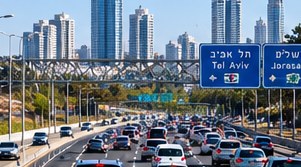
Traffic in Israeli cities can feel assertive to visitors. Dense intersections, frequent lane changes, impatient horns, scooters, delivery riders and crowded rush-hour roads affect the experience, but a subjective comparison with the Middle East or any ethnic culture is not a traffic-safety statistic. Road design, vehicle speed, enforcement, public transport and driver behavior are all relevant. Pedestrians, cyclists and motorcyclists face especially different risks, so a fair description must separate impressions from measured outcomes.
Confirmed fatalities in 2024 and 2025
Israel’s Central Bureau of Statistics recorded 439 road deaths in 2024 and 459 in 2025. Its June 2026 release described the 2025 figure as final selected data and gave a fatality rate of 4.5 per 100,000 residents, compared with 4.4 in 2024. The 2025 toll was therefore higher, although the rate remained below some earlier decades. The number of deaths tells only one part of the story; serious injuries and long-term disability also impose large human and financial costs.
Injuries and exposure
An earlier provisional January 2026 statistical release reported 13,261 people injured or otherwise recorded as casualties in accidents with injuries during 2025, versus 14,450 in 2024, alongside 7,602 injury accidents compared with 8,315. Changes in police reporting definitions and later data revision can affect comparisons. More cars, population growth and kilometers traveled also matter, so researchers often examine risk per vehicle-kilometer or per inhabitant rather than raw totals alone.
Where improvements are needed
Effective road safety policy combines lower speed near schools, safer pedestrian crossings, protected cycling facilities, consistent helmet and seat-belt use, professional driver training and fair enforcement of dangerous behaviors. Rural roads and highway junctions present different challenges from city centers. Campaigns should not simply blame an undifferentiated national driving culture; they should identify proven risk factors and measure results. Medical rehabilitation and support for crash victims deserve attention alongside prevention.
Advice for visitors
Drivers should observe local signs, expect congestion, leave space for motorcycles and check road conditions before long trips. Walking and public transport are often more practical in central Tel Aviv and Jerusalem than driving and parking. If using a rental car, verify insurance, child-seat requirements and emergency contacts. Responsible travel means planning around real conditions, not adopting a stereotype that road rules are optional.
Sources and references
Editorial update: 25 October 2026.