
Israeli cuisine: a table of many traditions
Not one single tradition
Israeli cuisine developed through encounters among Jewish communities from North Africa, the Middle East, Europe, the Balkans, Ethiopia and elsewhere, and with the long-established Palestinian and wider Levantine food traditions of the region. Its diversity is the point: an urban market may sell Iraqi sabich, Yemenite jachnun, Georgian pastries, North African couscous, challah for Shabbat, falafel and hummus in one street. Food histories are shared and sometimes disputed, so it is better to describe exchange than to assign every dish one simple national origin.
Markets, streets and homes
Markets such as Mahane Yehuda in Jerusalem and Carmel Market in Tel Aviv bring together spices, olives, vegetables, pickles, baked goods and prepared dishes. Street foods are important, but home cooking tells another story: family recipes are passed down through parents and grandparents, while newer generations adapt them to contemporary ingredients. A Shabbat table may include salads, fish, soups, slow-cooked stews and breads. Hospitality and the communal meal are at least as important as any one famous recipe.
Famous foods and their roots
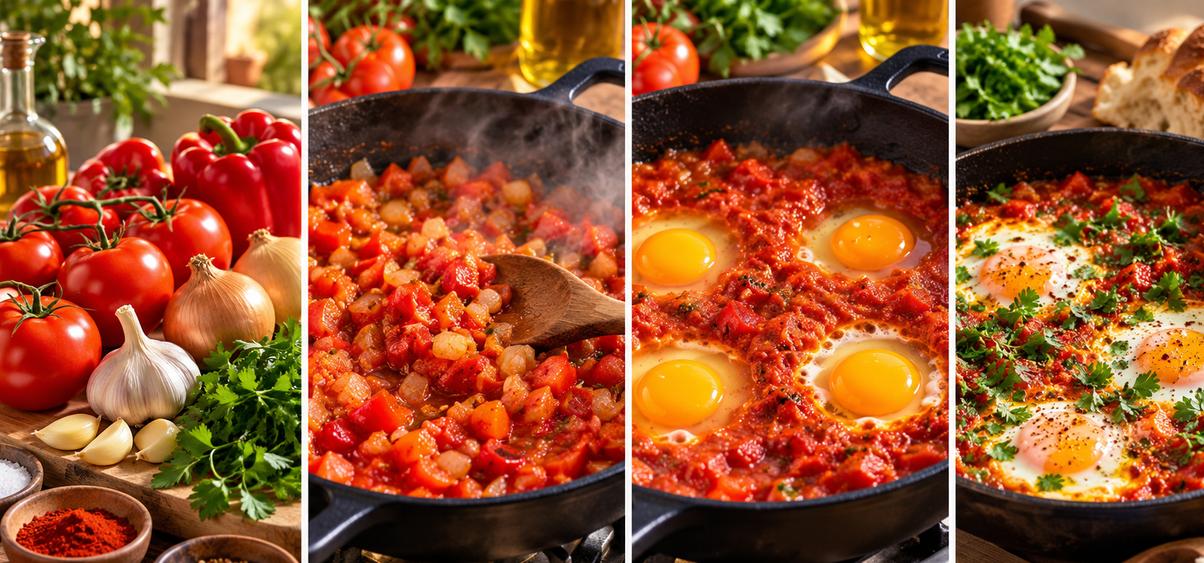
Hummus and falafel are common across the Middle East; they cannot be neatly claimed as exclusively Israeli inventions. Shakshuka is especially associated with North African Jewish and regional kitchens. Sabich is closely linked to Iraqi Jewish migrants, while jachnun and malawach are associated with Yemenite Jewish foodways. Kubbeh appears in several Middle Eastern traditions, and the modern Israeli breakfast is famous for eggs, salad, bread, cheese and spreads. These dishes show immigration, adaptation and overlap rather than a single fixed culinary canon.
Contemporary cooking
Today cooks combine traditional practices with vegetarian menus, high-quality local produce and influences from international restaurants. Seasonal fruit, herbs and vegetable dishes remain central. Some chefs emphasize Israeli wine, olive oil and small producers; others revisit family recipes or question unequal recognition of Arab and Palestinian contributions. Kosher rules matter for many diners and businesses, but food cultures in Israel are far from uniform. One should check ingredients and certification rather than assume every restaurant follows the same religious standards.
How visitors can explore
The best introduction is a real meal in a neighborhood, not just a checklist of famous foods. Compare a simple hummus lunch with a home-style stew, explore a bakery early in the morning, and ask where a family recipe comes from. Visitors should also remember that festivals and Sabbath observance affect opening times. Food can be an accessible way to understand Israel, provided its many communities and intertwined histories are treated with respect.
Sources and references
Editorial update: 25 October 2026.