
Karaite Jews in Israel: scripture, community and marriage
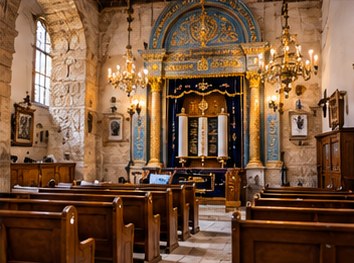
A different stream of Jewish tradition
Karaite Judaism emphasizes direct engagement with the Hebrew Bible and does not accept the rabbinic Oral Torah as binding in the same way that mainstream Rabbinic Judaism does. Karaite communities developed across the Middle East from the early medieval period onward. They have their own religious scholars, prayer practices and interpretations of biblical commandments.
Arrival and communities in Israel
Many contemporary Israeli Karaites descend from Jews who lived for centuries in Egypt and other countries. After the establishment of Israel, migrants helped build centers in places such as Ramla, Ashdod and Beersheba. Ramla hosts the World Karaite Center and an important prayer house. Exact population numbers vary by definition and source, and should be presented as estimates rather than as a precise census.
Synagogue, calendar and custom
Karaite prayer often includes distinctive liturgy and practices, and some communities follow different interpretations of dietary, marriage and festival rules from Rabbinic Judaism. Their synagogues are part of a living tradition, not relics of a disappeared group. In a museum or religious visit, it is useful to ask about customs directly rather than assuming every Jewish prayer house functions identically.
Marriage and recognition
Because rabbinic religious authorities and Karaite authorities have not always agreed on personal-status questions, some Karaite families have faced complicated marriage and registration situations in Israel. Mixed marriages between Karaite and Rabbinic Jews may raise questions about religious procedure and recognition. These issues are socially important, but the details vary by couple, rabbinic authority and legal route; it would be misleading to say that all Karaite Jews are unable to marry.
Authentic photographs and image sources
Sources and further reading
Updated: October 2026
A living community, not merely a historical curiosity
Karaite families maintain their own institutions, religious learning and communal practices. Community size and marriage customs can affect social life, particularly for younger members who live far from established religious centres. These experiences differ among individuals, and should not be presented as if all Karaite Jews face identical choices.