
Merkava tanks and Merkavim buses: two different Israeli industries
Names that sound alike
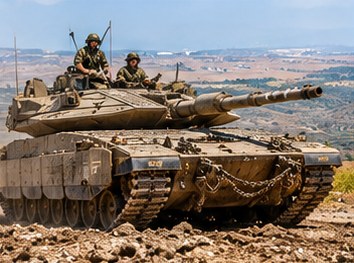
Merkava is the Israeli main battle tank developed for the Israel Defense Forces. Merkavim, by contrast, is an Israeli bus-body and coach manufacturer. Their similar Hebrew roots are easy to confuse, but they are separate industrial stories. Saying that the company making Merkava tanks also makes ordinary city buses would be inaccurate.
The armored vehicle
The Merkava family was designed with particular attention to crew protection, battlefield maintenance and Israeli operational needs. Versions have evolved from the original model into advanced platforms with new sensors, communications and active-protection systems. Its development is tied to Israel’s experience of armored warfare and to a domestic defense-industrial network of state and private suppliers.
The bus manufacturer
Merkavim says it was founded in 1946 and makes urban buses, intercity vehicles, minibuses, tourist coaches and special-purpose models. The company is jointly owned by Meir Automobile Company and Volvo International according to its official profile, and has a manufacturing campus in the Caesarea industrial park. Its vehicle bodies and interiors serve public transport as well as specialized customers.
Why the distinction matters
One name evokes armored military power, the other everyday travel to work and school. Both illustrate different capabilities in Israeli manufacturing, but their products, markets, ownership and supply chains are not interchangeable. For readers searching the companies online, the plural form Merkavim is a useful clue that they are looking for buses rather than the tank.
Sources and further reading
Updated: October 2026
Why the similar names cause confusion
Merkava is associated with a family of Israeli military tanks, whereas Merkavim is known in the civilian vehicle body-building sector. Similar names do not establish that two products share engineering requirements, a manufacturer or a supply chain. Comparing them illustrates how armour protection, passenger accessibility and vehicle maintenance lead designers toward very different solutions.