
Mount Hermon: snow, skiing and the last reported snowfall
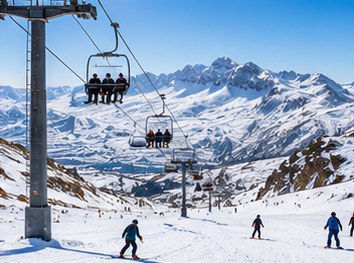
A snowy mountain in a mostly warm country
Mount Hermon is the best-known Israeli destination for winter snow. Its altitude makes it much colder than most of Israel, and in favorable winters the resort area may offer skiing, snowboarding, chairlifts and snow play. The same landscape attracts summer hikers and visitors seeking mountain views. Snow conditions fluctuate sharply between years, so a white mountain does not automatically mean every slope is open.
What the latest confirmed report says
A news report dated 4 May 2026 described snow falling on the upper Mount Hermon for the first time in May in fifteen years. As of 25 October 2026, that is the latest specific snowfall date confirmed in the sources checked for this article. It should not be interpreted as proof that no snow fell later: establishing the absolute last snowfall would require continuous observations from the mountain weather station.
Skiing depends on more than snowfall
Ski resort access depends on sufficient snowpack, wind, avalanche and ice risks, lift operations and security restrictions. Some winters provide only a short skiing window; other seasons may allow a longer run. Travelers should consult the official site for the day’s lift status, opening hours, ticketing and route restrictions before leaving home.
Geography and politics
The Hermon massif spans borders and territorial disputes. The Israeli ski area lies on the Golan Heights, territory captured by Israel from Syria in 1967 and later annexed, an annexation not recognized by most of the international community. Any travel article should acknowledge this context while giving practical information about weather and access.
Sources and further reading
Updated: October 2026
Snow does not guarantee skiing
The Hermon can receive snow during colder weather, and unusually late snowfall was reported in May 2026. That does not establish that a ski area was open, or that the event was the last snowfall of the year. Visitors need to check snow depth, lift operations, wind, road conditions and security restrictions before travelling.