
Tel Aviv–Jaffa
Editorial update: 26 October 2026
Historical context
This overview examines the historical background, major events and ongoing significance of Tel Aviv–Jaffa. It distinguishes documented facts, competing accounts and unanswered questions, and points readers toward academic and primary sources.
From a coastal suburb to a metropolis
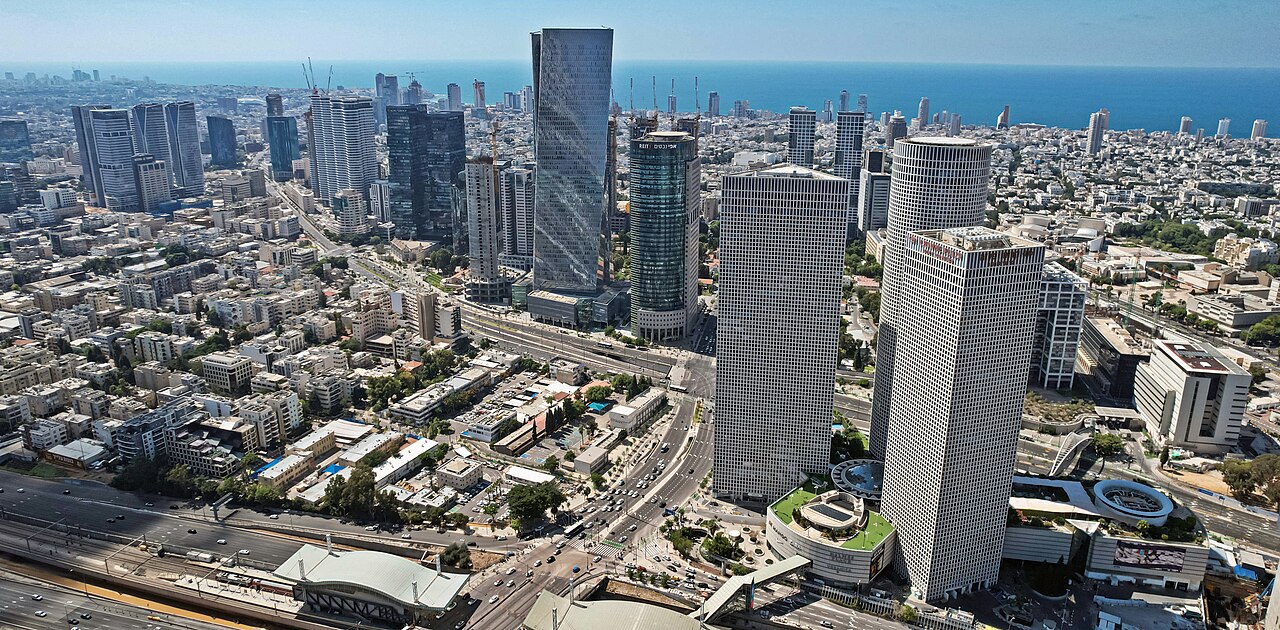
Tel Aviv was founded in 1909 north of the older port city of Jaffa. Over the twentieth century the two places became administratively united, while the urban landscape developed a combination of Bauhaus-influenced architecture, dense business districts, beaches and multi-ethnic residential quarters. UNESCO recognizes the White City for its modernist architecture. The city is home to Tel Aviv University, cultural organizations, public transit projects and a major technology sector. Jaffa's older history includes communities whose memories and experiences should not be erased by a single founding narrative. Today housing prices, transport, public space and environmental resilience shape debates about the metropolitan future.
Images and context

Origins and the founding of Tel Aviv
Tel Aviv began as a planned neighbourhood founded in 1909 on the dunes north of Jaffa, a port city with a far longer history. Jewish families seeking new residential conditions organized a land lottery that later became a defining image in the city's history. The rapidly growing neighbourhood was shaped by migration, Zionist institutions, Hebrew-language education and commercial opportunities under Ottoman and later British rule. It is important not to confuse the founding date of Tel Aviv with the beginning of urban life along this coast: Jaffa had been inhabited and traded with the wider Mediterranean world for centuries, and its Arab and Jewish residents were part of that longer history.
Architecture, neighbourhoods and social life
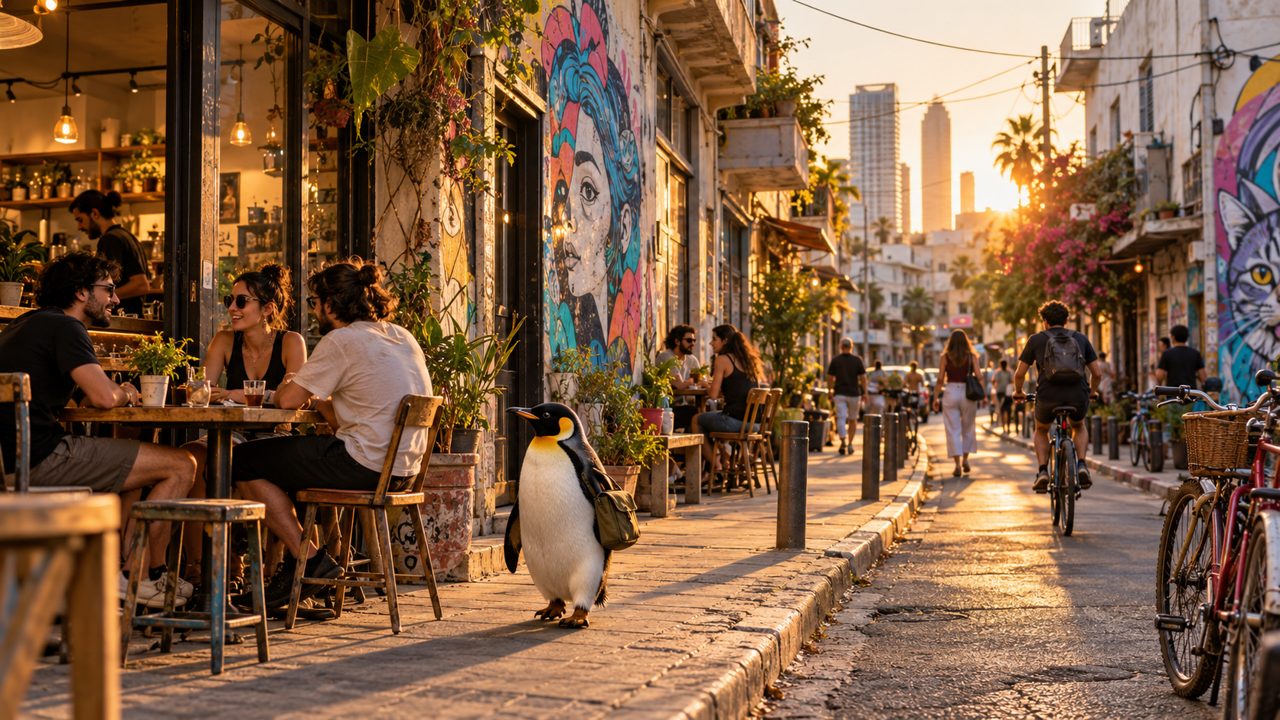
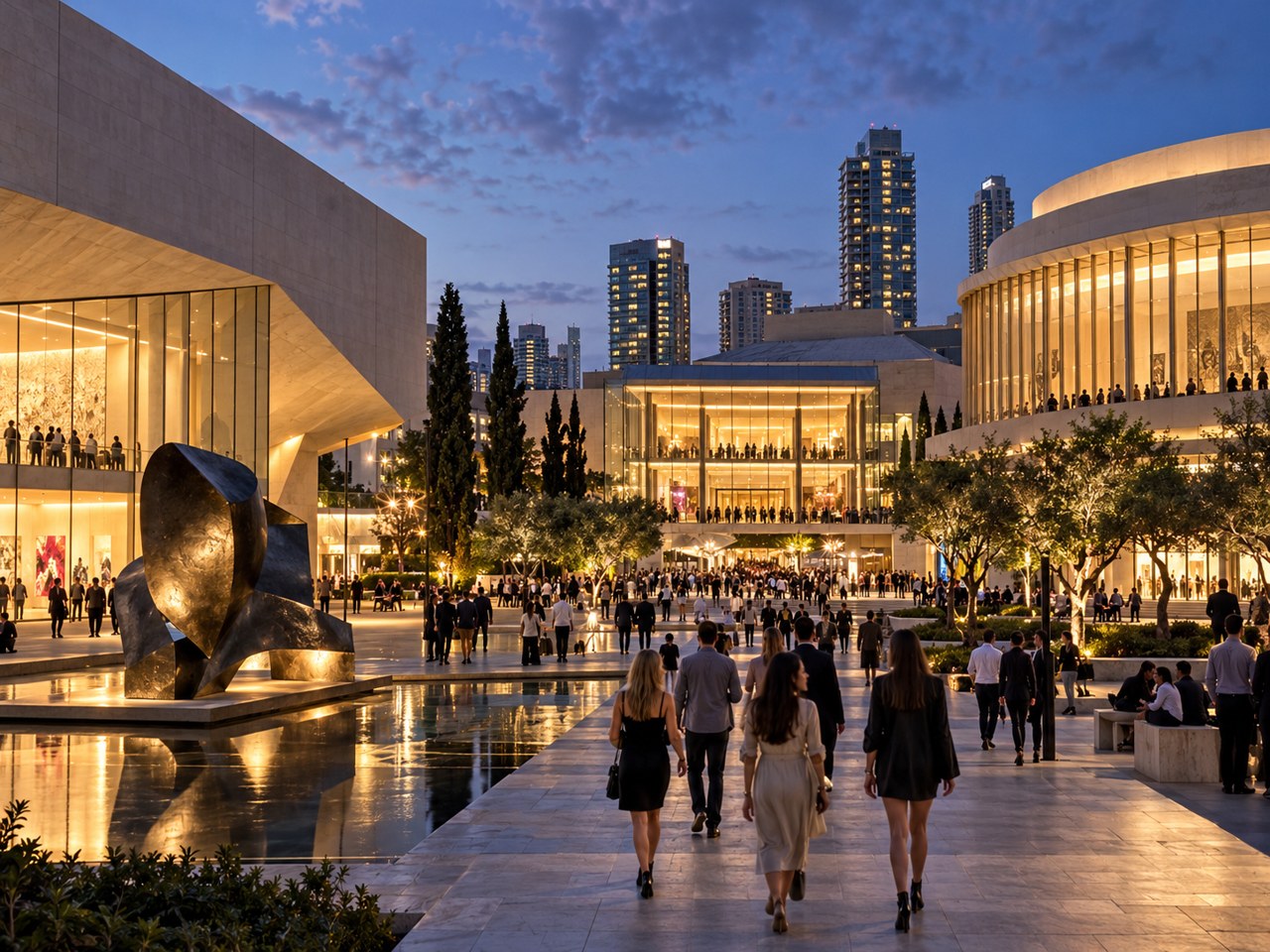
By the 1930s, architects trained in European modernism adapted new building forms to the climate and social needs of Tel Aviv. The ensemble often called the White City later received UNESCO World Heritage recognition. The city's distinct districts include Neve Tzedek, Florentin, the centre around Dizengoff Street, the port area and neighbourhoods in the south and east. Municipal development did not affect all residents equally: migration, urban renewal and housing costs continue to reshape communities. Tel Aviv–Jaffa today includes many kinds of religious observance, secular lifestyles, migrant communities and cultural institutions. Museums, theatres, music, cafés and beaches form part of its identity, but they should not be treated as its entire history.
Education, research and the economy
Tel Aviv University is one of Israel's leading research universities and contributes to the life sciences, social sciences, medicine, engineering and the humanities. Hospitals and public agencies connect the region to a much wider metropolitan area. Start-up companies and financial firms have contributed to the city's international reputation, while public-sector workers, shopkeepers, service employees and creative professionals support everyday urban life. High rents and property prices are major policy concerns, especially for younger residents and people in less affluent districts. Economic success and urban inequality can therefore coexist in the same streets and neighbourhoods.
Public transport, environment and future planning
Rail connections serve metropolitan commuters through several major stations, while the region is expanding urban rail and bus networks. Cycling paths, walking streets and public transport have to share limited space with cars and deliveries. Along the coast, climate change, heat and stormwater place additional pressure on planning, including the need for shade, open public areas and accessible beaches. Tourists should consult official municipal and transit sources for current routes, ticket prices and opening times rather than relying on a fixed historical article. The city's future will be shaped by its ability to balance transport, affordability, environmental adaptation and the preservation of older neighbourhoods.