
Vizhnitz Hasidism: history, centers and community
Editorial reference date: 26 October 2026
The dynasty and its birthplace
Different forms of belonging
Membership in a Hasidic court is often expressed through attendance at prayer services, school networks and family association rather than a membership card. Because branches can split or merge under different leaders, population data published at different dates cannot always be compared directly. Historical studies offer useful context, but only carefully dated figures should be used.
Vizhnitz takes its name from Vyzhnytsia, a town in historic Bukovina, now Ukraine. The Hager family developed a Hasidic dynasty there during the nineteenth century. Traditions of prayer, music, rabbinic teaching and family transmission shaped its communal identity. As with other dynasties, exact membership counts require care because they depend on whether a researcher counts households, affiliated institutions or individual descendants.
The twentieth-century rupture
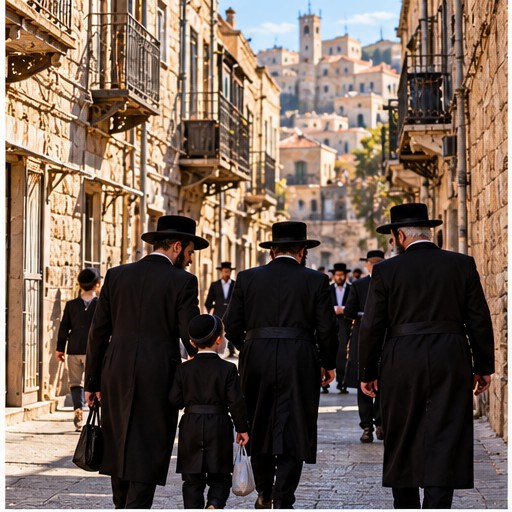
The Holocaust and the upheavals of the twentieth century devastated the older Hasidic world. Survivors and followers established new centers in Israel, particularly Bnei Brak, and in North America. Figures of the Hager family guided the reorganization of communal institutions and the rebuilding of religious schools after the war.
Bnei Brak, Haifa and North America
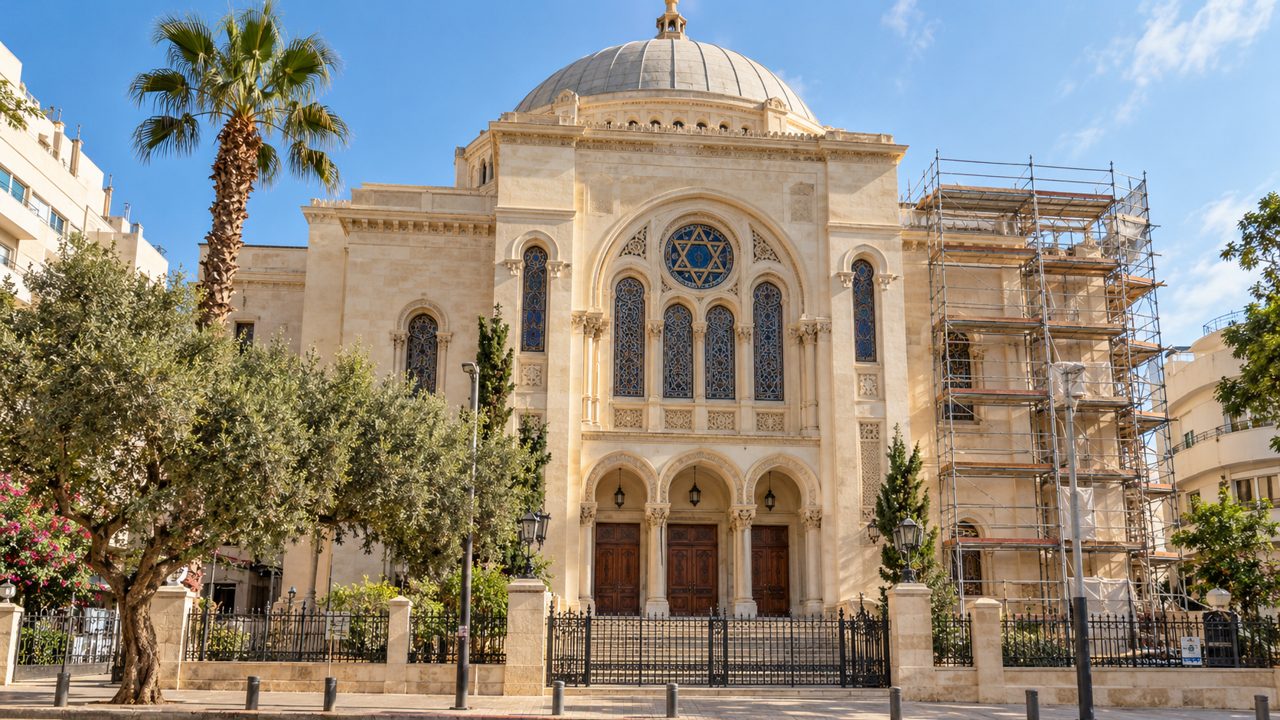
Today different Vizhnitz branches have important centers in Bnei Brak, Haifa and the New York region. These are related but organizationally distinct networks, with their own leaders and prayer houses. Important customs include distinctive synagogue melodies, a strong emphasis on communal events and extensive educational systems. A single number for all Vizhnitz followers would conceal branch differences.
Population figures and public debate
A 2018 historical atlas of Hasidism offered household estimates for individual courts, but those are not official censuses and should not be mistaken for precise 2026 population counts. Studies of ultra-Orthodox society in Israel provide broader demographic context without assigning every person to a single dynasty. Describing Vizhnitz requires both statistical caution and attention to lived religious practice.