
Yom Kippur in Israel: prayer, fasting and nearly empty roads
26 October 2026 / 26. Oktober 2026
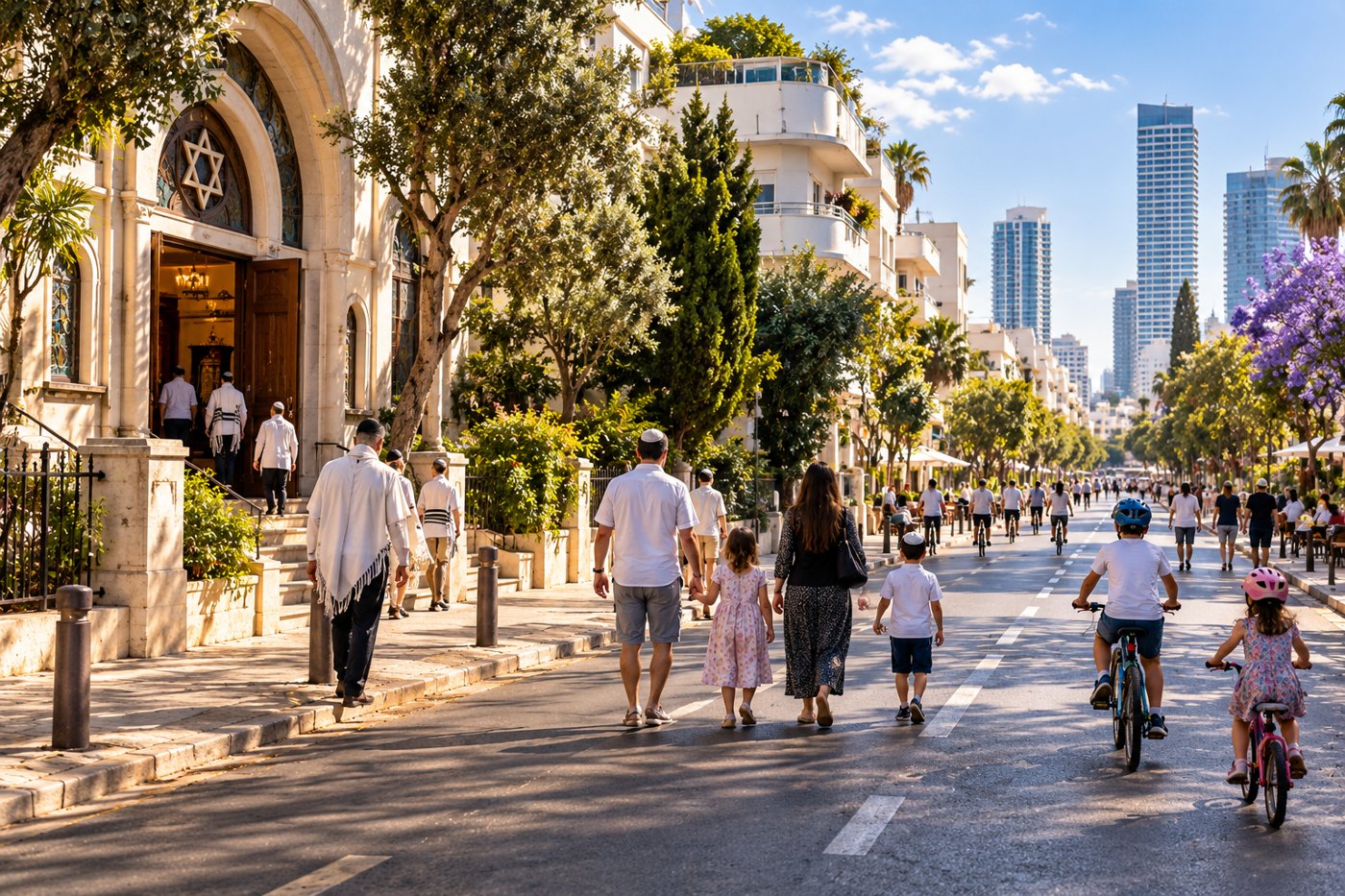
Yom Kippur concludes the Ten Days of Repentance and centers on reflection, confession, reconciliation and fasting. In Israel, public transport normally stops and very few motor vehicles use the roads; it is a powerful social convention, not a blanket ban on driving. Emergency services continue operating. Medical conditions can alter fasting obligations under religious guidance.
The day of atonement
Yom Kippur takes place on the tenth day of Tishrei and closes the ten Days of Repentance beginning with Rosh Hashanah. It is dedicated to teshuvah, the process of examining one’s behavior, confessing wrongdoing, repairing harm and renewing commitments. Traditional prayers include Kol Nidrei on the eve of the holiday, lengthy confessions during the services, and Ne’ilah at the close. An apology to a person one has hurt cannot simply be replaced by prayer: rabbinic teaching places strong emphasis on asking forgiveness and making restitution.
Fasting and religious obligations
In Orthodox practice the fast lasts approximately twenty-five hours, from before sunset to after nightfall. It normally excludes eating and drinking and is accompanied by restrictions on bathing for pleasure, leather footwear, perfume and sexual intimacy. Children do not have the same obligations as healthy adults, and people with certain medical needs may be required to eat or drink. Rabbinic rules place preservation of life above the fast. Anyone managing a health condition should seek medical advice and, if desired, individual religious guidance well before the holiday.
Why Israeli roads become quiet
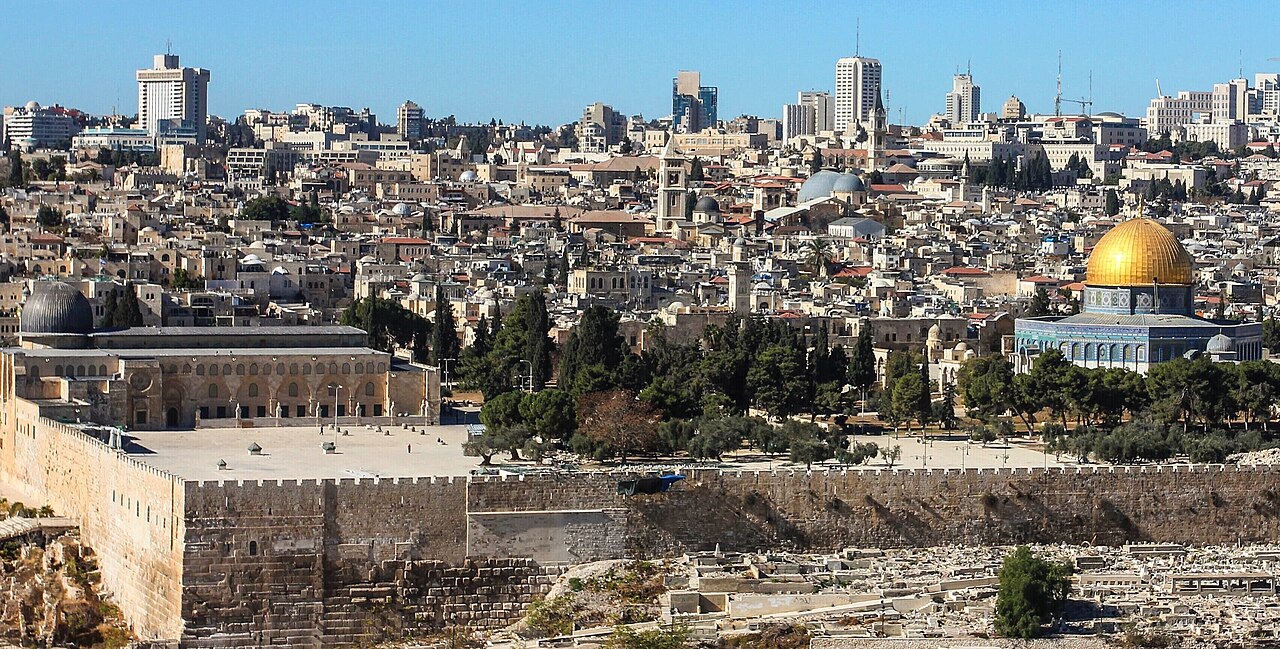
The stillness on Israeli roads is an extraordinary annual change in the public landscape. Scheduled buses, trains and most domestic commercial activity stop; broadcast schedules and airports also operate differently. Many streets that are normally crowded with vehicles are used by children and families riding bicycles. This pattern is primarily a powerful social custom and the absence of normal services, not a nationwide criminal prohibition on driving. Emergency ambulances, security services and other essential transport remain active, and motorists must watch for children on roads that are usually busy.
Prayer, music and community
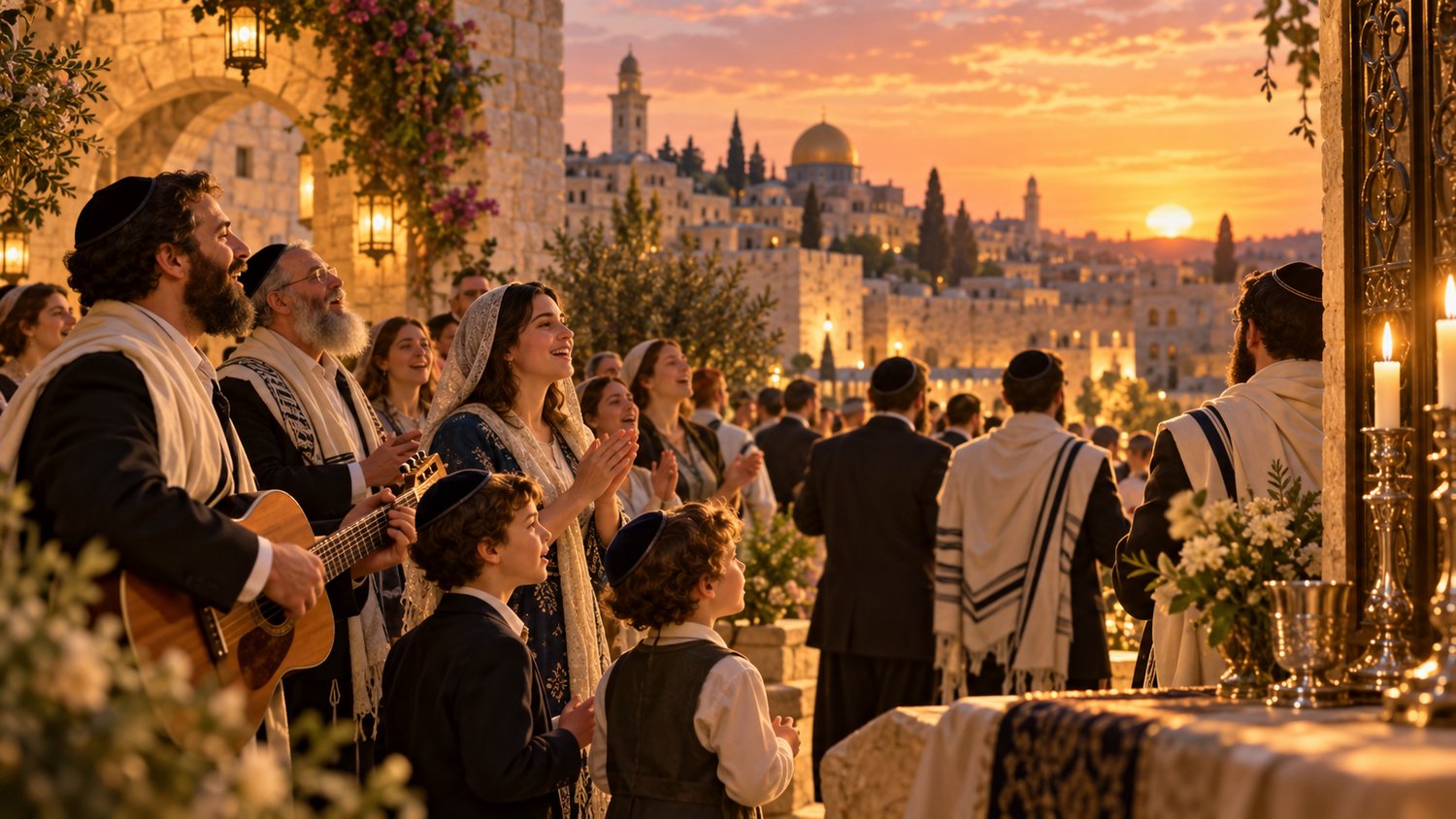
Synagogues fill for Kol Nidrei and subsequent services. The liturgy invokes memory, ethical responsibility and the fragility of human life; many worshippers wear white as a symbol of purification. The reading of Jonah often becomes an occasion to reflect on repentance and compassion. At sunset, the final shofar blast following Ne’ilah signals the close of the sacred day in many congregations. Practices vary by synagogue rite, region and levels of observance; one cannot assume a single way of experiencing Yom Kippur in every Israeli neighborhood.
Secular life and respectful visiting
Some secular Israelis fast, others do not; many still value the day as a shared civic moment. Families may walk between neighborhoods, and streets usually dominated by traffic take on a very different rhythm. Travelers should plan for absent public transit, closed shops and changes at border crossings and airports. The holiday also poses safety challenges: bicycle accidents and dehydration generate emergency calls. Respect for worshippers, a measured description of the social custom and attention to public safety belong together when explaining this distinctive day.