
Education in Israel: Bagrut, schools and OECD comparisons
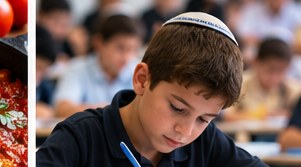
The structure of schooling
Israel has compulsory schooling that includes primary, lower secondary and upper secondary stages. The system is not one uniform network: state secular schools, state religious schools, Arab schools and several Haredi frameworks have different curricula, languages and institutional arrangements. Public policy must balance national requirements with the diversity of pupils. School resources, neighborhood conditions, parental education and language background can influence learning outcomes, so headline averages conceal significant gaps.
What the Bagrut measures
The Bagrut is Israel’s matriculation certificate, awarded after examinations and meeting required subject levels. It is not the same thing as completing school, nor does everyone who finishes the twelfth grade obtain the certificate immediately. According to figures published by Israel’s Education Ministry in October 2026, the Bagrut eligibility rate among twelfth-grade pupils in reporting schools increased from 76.6 percent in 2024 to 77.9 percent in 2025. That supports saying a large majority of that measured cohort qualified, not that 77.9 percent of every Israeli resident holds a Bagrut.
How Israel compares internationally
The OECD Education at a Glance 2026 country note reports that 51 percent of Israeli adults aged 25 to 64 hold a tertiary qualification, compared with an OECD average of 43 percent. At the same time, the share of young Israeli adults aged 25 to 34 without upper secondary attainment was 11 percent in 2025, having risen from 9 percent in 2015; the OECD figure was approximately 12 percent. These statistics use different populations and definitions from Bagrut eligibility and must not be presented as the same measure.
Challenges and inequalities
Israel’s schools deal with high demand, differing class sizes, teaching shortages in certain subjects and the challenge of providing equitable instruction across sectors. Arguments about mathematics, English, civic education and core curricula are politically sensitive, especially in parts of the Haredi sector. Arab and Jewish communities also differ in access, funding patterns and family circumstances. Successful reform requires paying attention to actual learning and opportunities, not only the percentage of certificates awarded.
What the data do not show
Exam eligibility is an important indicator, but it cannot alone measure creativity, well-being, critical thinking or later success. International comparisons work best when the age group, sampling year and definition are identical. Readers should consult official Education Ministry tables and OECD notes directly before drawing conclusions about whether Israeli pupils are doing better or worse than peers in another country. Access to vocational training and universities also matters greatly.
Sources and references
Editorial update: 25 October 2026.