
Tisha B’Av: memory, mourning and an Orthodox fast
26 October 2026 / 26. Oktober 2026
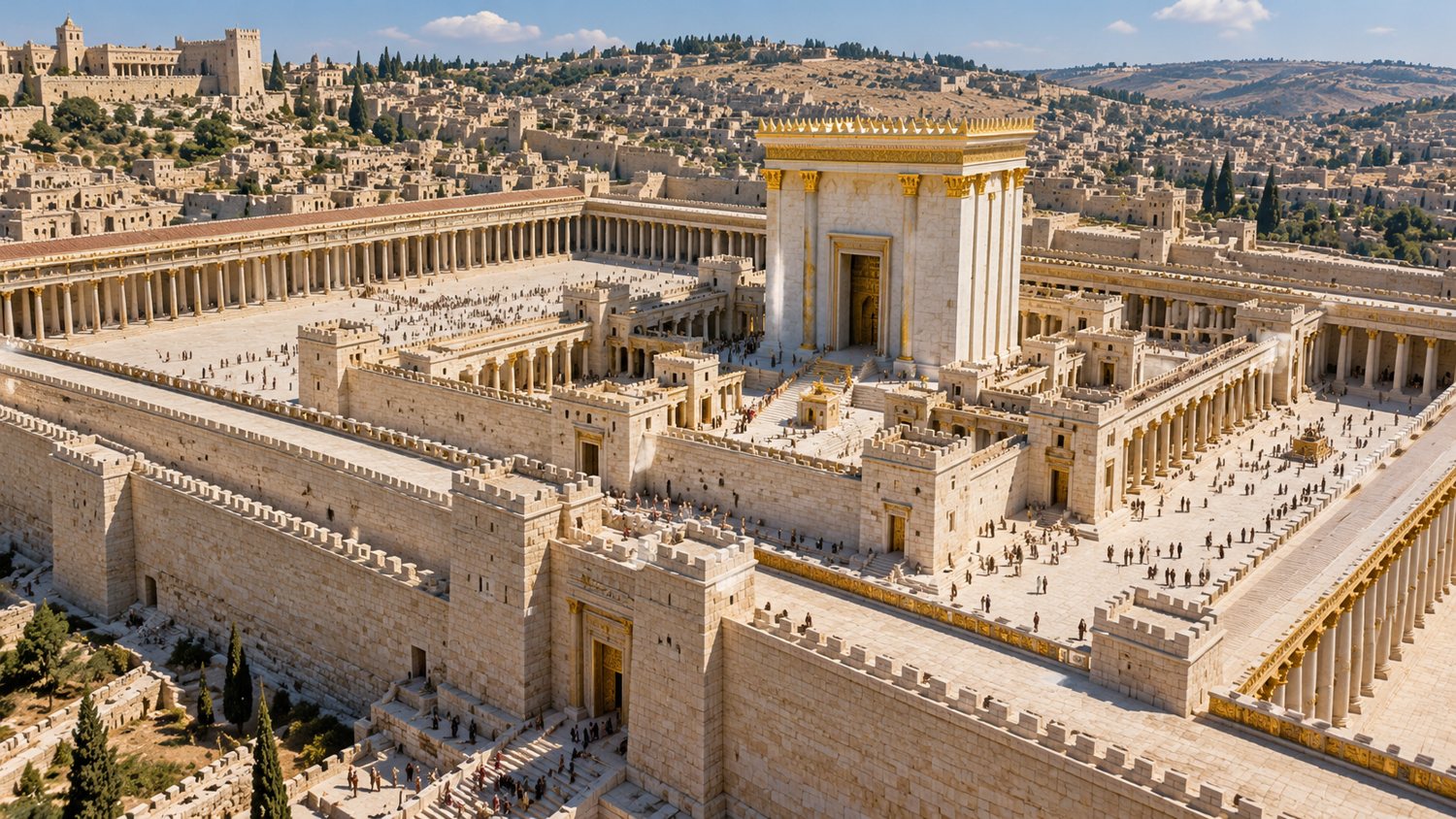
Tisha B’Av marks Jewish mourning for the destruction of both Jerusalem Temples and subsequent tragedies. Orthodox observance includes a roughly 25-hour fast from food and drink, the reading of Lamentations, restrained seating and additional restrictions. The calendar date follows the Hebrew month of Av, so its civil date changes every year.
Destruction of the Temples and the calendar
Tisha B’Av, the ninth day of the Hebrew month of Av, is one of the principal days of collective mourning in Judaism. Religious tradition associates it with the destruction of the First Temple by the Babylonians and the Second Temple by the Romans. Historians date the Roman destruction of Jerusalem’s sanctuary to 70 CE, while the destruction of the First Temple belongs to the sixth century BCE. The date became a focus for remembering expulsion, displacement and persecution in later generations. A modern historical account should distinguish the chronology documented by archaeology and written sources from the theological interpretation of a shared anniversary.
What the fast means in Orthodox life
Orthodox communities generally observe a fast from sunset until nightfall the next day, roughly twenty-five hours. Eating and drinking are avoided; traditional law also restricts bathing for pleasure, applying lotions, wearing leather shoes and marital relations. Worshippers read the Book of Lamentations, called Eicha, and recite kinot, poems of lament. Many sit on low stools or the floor during part of the observance, and some refrain from ordinary greetings. Specific customs differ among Ashkenazi, Sephardi and other communities. A person who is ill, pregnant or medically vulnerable should seek competent medical and halachic advice rather than assume fasting is always required.
The three weeks and the nine days
Tisha B’Av concludes a period of increasing mourning that begins with the fast of the seventeenth of Tammuz. During the final nine days, many observant Jews avoid celebrations, meat and wine except in circumstances allowed by their customs. The day of mourning is not simply a reenactment of ancient events: sermons often ask how social divisions, hatred and ethical failures can weaken communities. Such interpretation is part of a living debate and is not the same as a causal judgment by modern historians.
Jerusalem and contemporary memory
In Israel, synagogue services, lectures and public readings are held in many communities, including Jerusalem. At the Western Wall the anniversary carries special symbolic weight because of its proximity to the Temple Mount. Modern Orthodox voices sometimes discuss the rebuilding of the Temple, while other Jewish communities understand the day primarily as ethical remembrance or cultural history. Visitors should be sensitive to people fasting and avoid treating worshippers as an attraction. The holiday changes civil date every year: in 2026 the fast ran from 22 to 23 July, and in 2027 it will run from 11 to 12 August.
A plural Jewish observance
Not every Jew practices the day in the same way. Some attend all the prayers and observe every restriction; others participate in study, commemoration or discussion; some do not observe the fast. The multiplicity of responses illustrates how religious memory persists in a diverse modern society. The ritual does not require denying the value of other holy places or of those living in Jerusalem today. Careful writing about the Temple should distinguish ancient religious claims, present political arrangements and the actual practices of the different communities.