
Sephardic Jews in Spain and Portugal: 1,500 years of change
26 October 2026
Jewish communities existed on the Iberian Peninsula in Roman and late antique times, centuries before the modern states of Spain and Portugal existed. One frequently cited early written atte
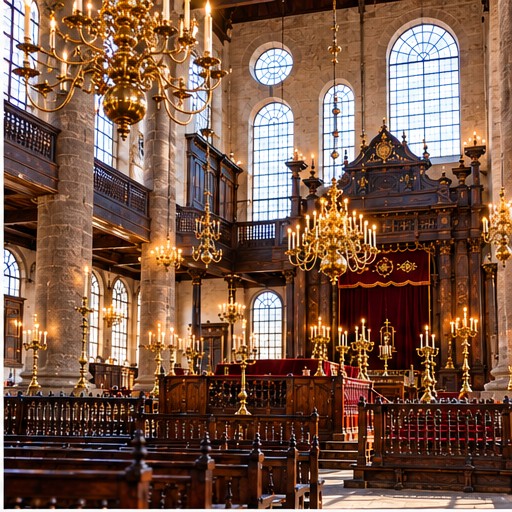
The Iberian world before Portugal
Jewish communities existed on the Iberian Peninsula in Roman and late antique times, centuries before the modern states of Spain and Portugal existed. One frequently cited early written attestation relating to the territory of present-day Portugal dates to 482 CE. This is evidence for the historical record rather than a claim that Jewish life began suddenly in that year. Archaeology and inscriptions are incomplete, and later medieval archives reveal a much denser picture of the communities. The term Sephardi originally relates to Sefarad, a Hebrew name for Spain, and over time came to refer to a diverse cultural and religious tradition that also flourished in Portuguese towns.
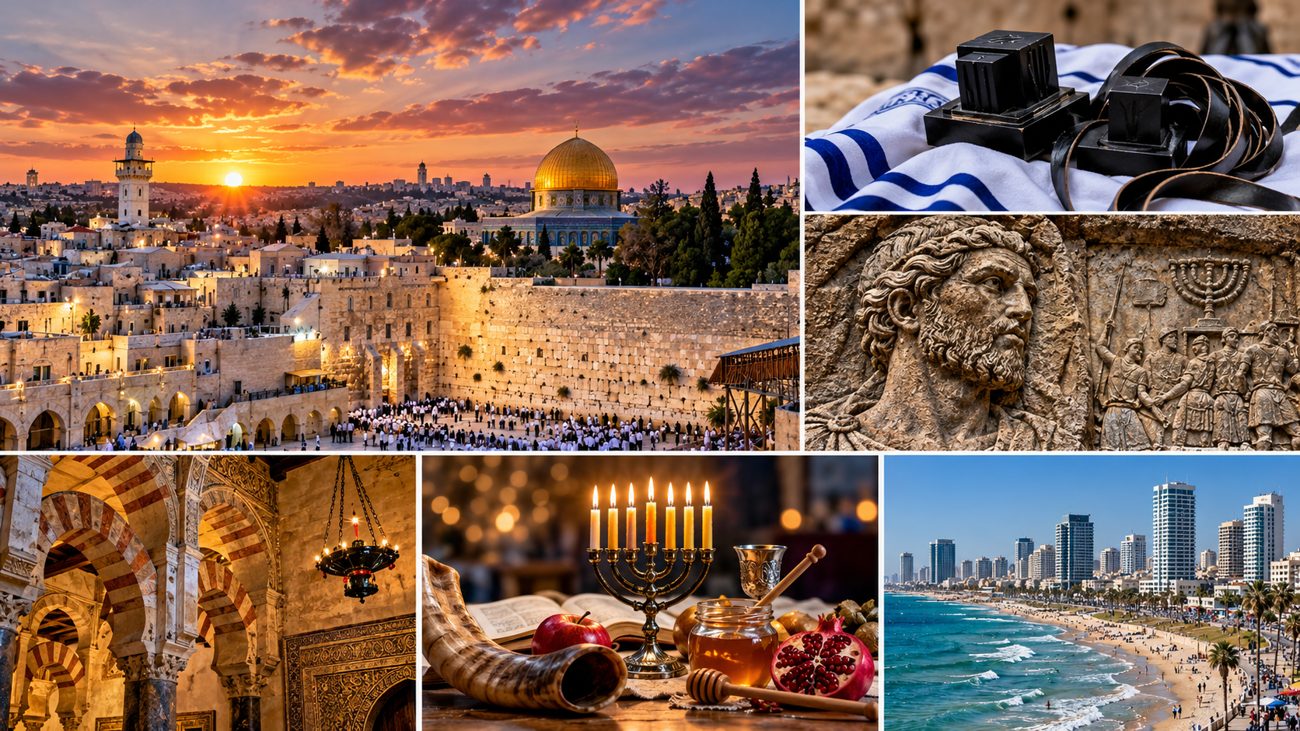
From medieval coexistence to forced conversion
Jewish families took part in the life of medieval Lisbon, Porto, Évora, Coimbra and other communities as artisans, merchants, physicians and scholars. Their legal position varied with rulers and was not equal to that of the Christian majority. In 1492, after the Spanish expulsion, some refugees sought safety in Portugal. King Manuel I ordered expulsion or conversion in 1496, and policies enacted in 1497 forced large numbers into baptism while restricting their ability to leave. Descendants known as New Christians faced suspicion and later the Portuguese Inquisition, established in 1536. The 1506 Lisbon massacre reveals the grave danger of anti-Jewish violence even for those officially classified as Christian.
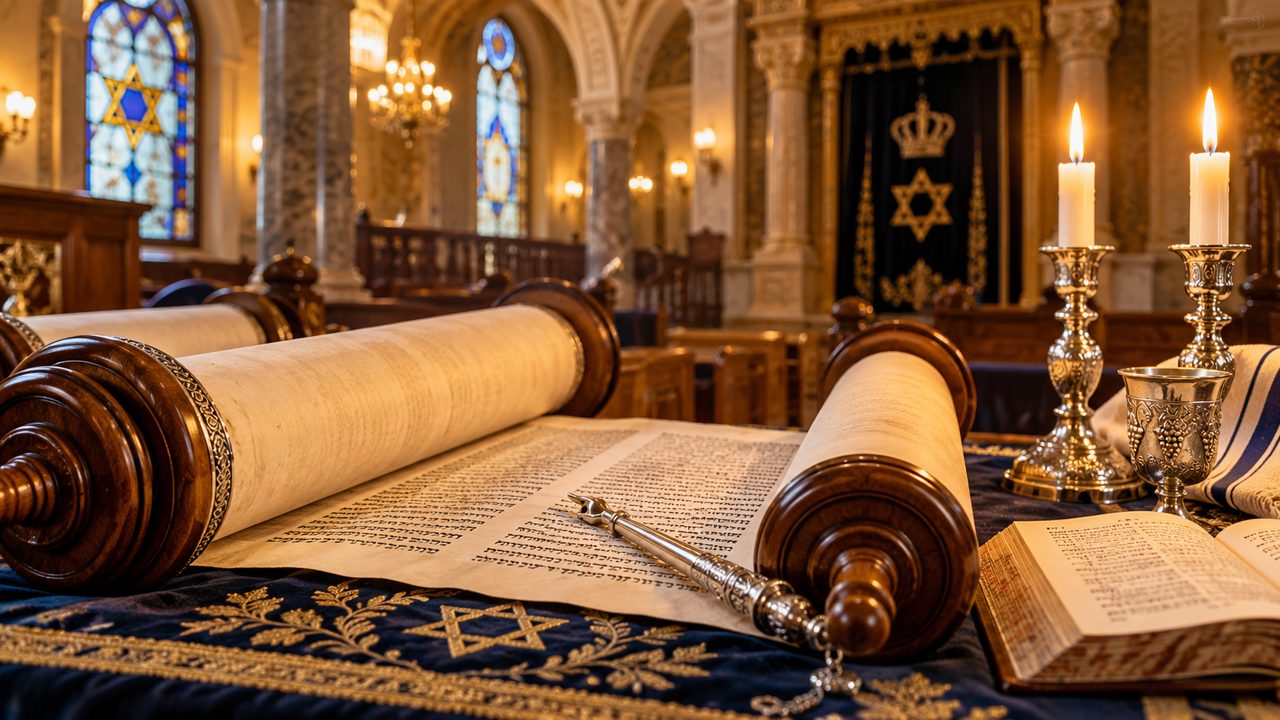
Belmonte, overseas networks and life today
Some families practiced elements of Judaism secretly, often under great personal danger. The town of Belmonte preserves the memory of these crypto-Jewish traditions; its community reconnected more openly with world Jewry in the twentieth century. Other Sephardic Jews and their descendants became part of communities in Amsterdam, London, Hamburg, Ottoman cities, North Africa, the Americas and beyond. The Jewish presence in Portugal today is small but visible through congregations, schools, synagogues, museums and cultural initiatives in Lisbon, Porto and Belmonte. The number of Jews varies according to whether surveys count religious membership, ancestry or self-identification. Contemporary religious practice includes both Sephardic heritage and people of other Jewish backgrounds. Heritage tourism should not obscure the voices of living Jewish citizens.
Portugal in 2026: living communities and changing law
Portugal today has small active Jewish communities, including Lisbon, Porto and Belmonte. The story of Belmonte is especially significant: families preserved elements of Jewish practice through generations in which open Jewish life was dangerous, and organized public religious life later revived. Jewish heritage tourism should respect those living communities rather than treating every synagogue as an abandoned monument. A separate modern question concerns citizenship applications based on Sephardic ancestry. Portuguese nationality rules changed several times, and the Lisbon Jewish Community announced that it would no longer accept new applications under the Sephardic regime from 4 May 2026. This is not evidence that every person with an Iberian Jewish surname has a documented right to citizenship. Genealogy, historical research, legal criteria and individual identity are different matters.
Sources, words and careful interpretation
Names such as Rodriguez and Gradis occur in histories of Sephardic diaspora commerce and family networks, but a surname alone does not establish a single uniform family origin. Historical claims about early settlement, royal decrees or modern population figures must be linked to specific sources. A balanced article acknowledges periods of cultural achievement and exchange without pretending that legal restrictions and persecution were minor details. Equally, it avoids treating medieval societies as if they had modern religious freedom. The history of Portuguese Jews is simultaneously an account of displacement, resilience, language, trade, religious scholarship and renewal.